
This post may contain affiliate links. As an Amazon Associate I earn from qualifying purchases. If you choose to make a purchase, I may earn a small commission at no extra cost to you.
Your 4Runner can spend most of its life on pavement, then face rain, snow, gravel, or a rough trail on the same set of tires. That makes the choice harder than simply picking an aggressive tread. A tire that adds off-road grip can bring more road noise, while a quiet highway tire may not suit deep snow or rocky tracks.
Start with where you drive most, how often you leave pavement, and whether snow grip or a quiet ride matters more. Check your 4Runner’s required size and load rating before comparing tread types. The choices below cover commutes, changing weather, snow, and trail use, while the guide explains how to match tires to your routes in 2026.
Our Top Toyota 4Runner Tires Picks



More Details on Our Top Picks
Pros
- CoreGard sidewall protection resists trail damage
- Serrated shoulders add grip in loose terrain
- Mud-phobic bars improve mud and snow traction
- 50,000-mile limited treadwear warranty
Cons
- Aggressive tread can add road noise
CoreGard Technology gives the BFGoodrich All-Terrain T/A KO3 tough sidewalls that resist damage from sharp rocks and trail debris. Its Advanced Deflection Design also guides sticks and stones away from the sidewall, while a redesigned tread compound and pattern add durability on gravel.
The tread’s serrated shoulders and mud-phobic bars add grip in loose soil and snow. On pavement, the block layout still gives your 4Runner a steady feel for daily driving, so you can move between road and trail without changing tires.
The BFGoodrich All-Terrain T/A KO3 builds on the line’s reputation for hard use, with a rugged sidewall and tread built for long wear. BFGoodrich backs it with a 50,000-mile limited treadwear warranty and a six-year standard limited warranty.
Its open tread channels clear loose material, and the shoulder lugs add bite when the surface turns soft. You get a tire designed for both regular pavement and rougher routes, rather than one focused only on either setting.
Bottom line: Choose it for a 4Runner that sees regular trail use but still handles weekday driving. Its sidewall protection and warranty suit drivers who value long-term durability.
Pros
- Three-Peak Mountain Snowflake rated
- 3D Canyon Sipes add snow and wet-road grip
- Heat diffuser technology manages sidewall heat
- Deeper tread suits rough surfaces
Cons
- The deep tread can feel less smooth on pavement
If your 4Runner faces changing seasons and mixed terrain, the Falken Wildpeak A/T4W brings a useful blend of snow, gravel, and highway ability. Its deeper tread and sturdy sidewall construction suit routes that shift from paved roads to rocky or muddy ground.
Falken’s 3D Canyon Sipes create extra biting edges for snow and wet pavement, while also bracing the tread blocks against flex. Heat diffuser technology in the lower sidewall helps manage heat under load, a practical feature when you take long drives or carry gear.
On the road, the tread gives you a composed ride for an all-terrain design. Off pavement, its broad grooves clear loose dirt, and the sidewall construction stands up to rougher surfaces. The all-weather tread also carries the Three-Peak Mountain Snowflake rating, marking it for severe snow conditions.
You get a tire with a wide range of uses, not a dedicated mud tire. The Falken Wildpeak A/T4W keeps a capable all-terrain layout while adding details for cold-weather traction and durability.
Bottom line: Consider it if your 4Runner sees winter roads along with gravel and trail days. It suits drivers who want one tire for varied weather and mixed routes.
Pros
- Three-Peak Mountain Snowflake rated
- Silica-enhanced compound adds wet-road traction
- Multi-wave sipes create snow-biting edges
- Shoulder blocks add grip on uneven ground
Cons
- Not built for frequent deep-mud driving
On a daily drive, the Toyo Open Country A/T III keeps its manners while giving your 4Runner tread for dirt roads and changing weather. Its tread blocks create a stable contact area on pavement, and the open grooves move water and loose material away from the footprint.
Toyo uses a silica-enhanced tread compound and multi-wave sipes to add grip on wet roads and in snow. The tire carries the Three-Peak Mountain Snowflake rating, so it meets the severe-snow service standard. Deep siping gives the tread more biting edges as the surface gets slick.
The Toyo Open Country A/T III has an all-terrain tread pattern with shoulder blocks that extend toward the sidewall for added bite on uneven ground. Those shoulders also help when you turn off pavement onto gravel or a packed dirt trail.
Its balance leans toward regular road use with genuine off-road traction, rather than deep-mud specialization. That makes it a useful fit for a 4Runner that covers daily miles and sees winter or trail conditions throughout the year.
Bottom line: Pick this tire if your 4Runner sees snow, rain, and occasional dirt or gravel. It gives you year-round traction without a mud-focused tread design.
Pros
- MaxTouch Construction promotes even tread wear
- Full-depth sipes add wet-road biting edges
- Quiet tread design suits highway driving
- Built for long tread life
Cons
- Limited traction in deep mud and rough trails
Long highway drives can make a noisy, rough tire wear on you, and the Michelin Defender LTX M/S2 focuses on a quieter, more comfortable ride. Its highway-oriented tread suits a 4Runner used mostly for commuting, road trips, and paved routes.
Michelin’s MaxTouch Construction spreads the forces from acceleration, braking, and cornering across the tread. That even contact helps limit uneven wear and supports long tread life. Full-depth sipes add edges for wet-road grip, while the tread design keeps road noise in check.
The long-wearing tread makes this a practical option for drivers who rack up miles and still want dependable traction in rain or light snow. It handles everyday roads with a calm feel rather than the loose, open tread pattern of a trail-focused tire.
Michelin built the Defender LTX M/S2 for modern pickups and larger SUVs, with durability and comfort at the center of its design. For a 4Runner that spends most of its time on pavement, you get a tire made for steady road manners and extended use.
Bottom line: This is a good fit for a 4Runner that spends most of its miles on pavement. Choose it for quiet highway comfort and tread life over serious off-road grip.
Pros
- Three-ply sidewall resists cuts and abrasions
- Durawall compound protects against sidewall damage
- DuPont Kevlar helps guard against tread damage
- 50,000-mile limited treadwear warranty
Cons
- Rugged tread can create more road noise
The Goodyear Wrangler DuraTrac RT is known for a rugged build that takes trail contact seriously. A three-ply sidewall and Goodyear’s Durawall compound resist cuts, abrasions, and punctures, while DuPont Kevlar in the tread adds protection from damage.
Its tread pattern uses many biting edges to grip snow and loose ground. That gives your 4Runner a more planted feel when a route turns rough or winter weather covers the road. The open tread also clears loose material as you travel over dirt and gravel.
Goodyear backs the tread-strength design with a 50,000-mile limited treadwear warranty, subject to its terms. The Wrangler DuraTrac RT handles both pavement and off-road use, with a build aimed at drivers who regularly take their trucks or SUVs beyond smooth roads.
On paved stretches, you get a tire with a distinctly rugged tread and sidewall. Its durable construction suits uneven trails where rocks and branches can scrape the tire, while the winter-focused tread edges add useful traction when temperatures drop.
Bottom line: Get it for a 4Runner that sees rocky trails or winter roads and needs a tough sidewall. Its construction suits regular off-pavement use.
Pros
- Mild tread suits everyday pavement use
- Grooves help clear water from the contact area
- Tread blocks provide grip on gravel
Cons
- Not designed for demanding mud or rock trails
For a 4Runner that spends most days on pavement but sometimes hits a dirt road, the Goodyear Wrangler Territory AT offers an all-terrain tread without an extreme off-road layout. Its tread blocks and grooves give you traction on loose surfaces while keeping the design suited to everyday driving.
The pattern leaves channels between the blocks to move water away from the contact area. That helps the tire maintain road grip in wet conditions, while its broad tread elements give you a stable feel on pavement. The result is a road-friendly all-terrain design for light trail use and regular commutes.
The Wrangler Territory AT belongs to Goodyear’s truck and SUV tire family, with a focus on mixed driving rather than a specialized mud or rock setup. It gives your 4Runner a more useful tread for gravel and packed dirt than a highway-only design, without leaning as heavily into aggressive shoulder lugs.
You can use its all-terrain pattern for occasional rough roads, then return to paved routes for the rest of the week. Its mild approach makes it a straightforward option for drivers who want some extra surface versatility in daily use.
Bottom line: This fits a 4Runner that sees paved roads most of the time and only occasional dirt or gravel. Choose it for mild off-road use rather than frequent technical trails.
Nitto Ridge Grappler
Pros
- Reinforced block foundation limits tread flex
- Stone ejectors clear debris from grooves
- Staggered shoulder lugs add off-road grip
- Two sidewall designs offer distinct looks
Cons
- Aggressive tread can be noisy on pavement
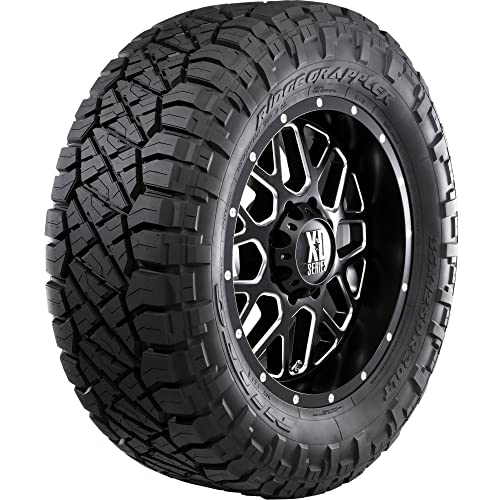
The Nitto Ridge Grappler uses a hybrid tread that blends an all-terrain layout with the larger blocks and open shoulders of a more aggressive tire. Its staggered shoulder lugs add bite when your 4Runner climbs over uneven ground or rolls through loose dirt.
A reinforced block foundation limits tread flex, keeping the blocks more stable under load. Stone ejectors push debris out of the grooves before it can work into the tread, and the dual sidewall designs let you choose between two distinct looks when you mount the tire.
The Ridge Grappler balances pavement use with off-road traction. Its tread pattern gives you a firm feel on gravel and dirt, while the block arrangement avoids the wide-open look of a dedicated mud tire. That makes it useful for drivers who split time between town and trail.
Nitto gives the tire a strong visual presence, but the design has practical details beyond appearance. Staggered shoulders add edge grip, and the reinforced blocks help keep the tread from folding under pressure on rough ground.
Bottom line: Choose the Ridge Grappler if your 4Runner sees both paved roads and rougher trails. Its hybrid tread suits drivers who want off-road bite without a full mud-terrain design.
Pros
- Open channels help clear loose dirt
- Broad shoulder blocks add grip off pavement
- Rugged-terrain tread suits rough trails
Cons
- Open tread can feel less quiet on pavement
On rough trails, the Toyo Open Country R/T Trail gives your 4Runner an aggressive tread with broad shoulder blocks and open channels. The design adds edges that bite into loose ground, while the wide spaces between tread blocks help clear mud and dirt.
This rugged-terrain tire sits between a conventional all-terrain pattern and a mud-focused tread. Its strong shoulder design adds grip on uneven surfaces, and its large tread blocks give the tire a sturdy feel when you leave pavement. The open tread channels also help shed loose material rather than pack it tightly into the grooves.
The Toyo Open Country R/T Trail brings a more trail-ready pattern to a 4Runner that still needs to travel on roads. You get a rugged look backed by useful shoulder traction, not just oversized tread blocks for show.
On paved routes, the tread remains suited to regular driving between trail stops. Its design puts more emphasis on off-road grip than a mild all-terrain tire, making it a clear option for drivers who spend meaningful time on rough tracks.
Bottom line: Choose this tire if your 4Runner regularly leaves paved roads for rough tracks. It brings a more aggressive tread for trail traction while remaining suited to road travel.
Pros
- Three-Peak Mountain Snowflake rated
- Snow Groove technology adds snow-biting edges
- Silica-based compound improves wet-road grip
- 65,000-mile treadwear warranty
Cons
- Not intended for deep mud or technical rock trails
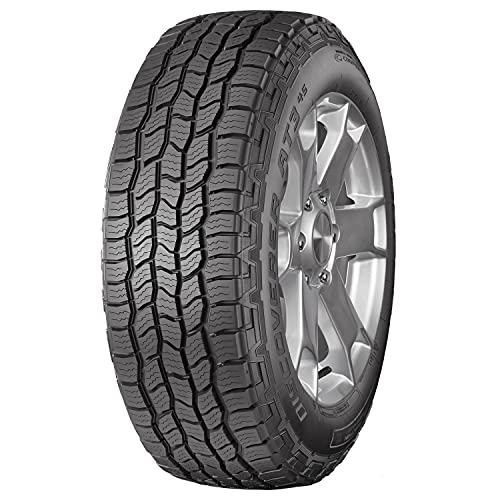
Rain and snow can turn an ordinary drive into a challenge, and the Cooper Discoverer AT3 4S uses a severe-weather tread to add grip across changing conditions. Cooper’s Adaptive-Traction Technology lets the tread respond to different surfaces, from smooth pavement to rocky ground.
Snow Groove technology creates extra edges in the tread to bite into snow. The tire carries the Three-Peak Mountain Snowflake rating, and its silica-based compound adds grip on wet roads. Cooper also gives the line a 65,000-mile treadwear warranty, which suits drivers who cover plenty of road miles.
The Discoverer AT3 4S aims for a comfortable on-road feel without dropping its all-terrain tread. Its grooves move water away from the contact area, while the tread blocks hold their shape through turns and braking.
For a 4Runner that sees winter weather as well as gravel and dirt, this tire offers a useful mix of road comfort and off-road durability. Its snow-focused tread details make it more than a fair-weather option.
Bottom line: Consider it if your 4Runner needs strong wet-road and snow traction along with light off-road ability. The long treadwear warranty adds appeal for drivers who cover many miles.
Pros
- Three-Peak Mountain Snowflake rated
- Endurocore construction adds load strength
- Enduro compound resists cuts and chips
- 60,000-mile limited treadwear warranty
Cons
- Less suited to deep mud than an open mud-terrain tread
The Yokohama Geolandar A/T G015 brings severe-snow capability to an all-terrain tire designed for trucks and SUVs. Its Three-Peak Mountain Snowflake rating gives you a clear sign that the tread meets the standard for severe snow service.
Yokohama uses Endurocore construction to add strength for carrying heavy loads. The cut- and chip-resistant Enduro compound also helps the tread stand up to rough surfaces, while three-dimensional sipes add edges for traction on wet roads and snow. Its durable all-terrain compound suits gravel routes as well as regular pavement.
Yokohama backs the tire with a 60,000-mile limited treadwear warranty and a 30-day satisfaction guarantee. The tread pattern keeps the tire versatile for a 4Runner that moves between everyday roads, dirt, and winter conditions.
The G015 does not depend on oversized lugs for its off-road ability. Its combination of reinforced construction, cut-resistant rubber, and deep siping gives you a practical tire for mixed conditions and changing seasons.
Bottom line: This suits a 4Runner that needs snow traction, durable construction, and regular road manners. Its warranty also appeals if you put many miles on your tires.
Factors to Consider When Choosing Tires for Toyota 4Runner
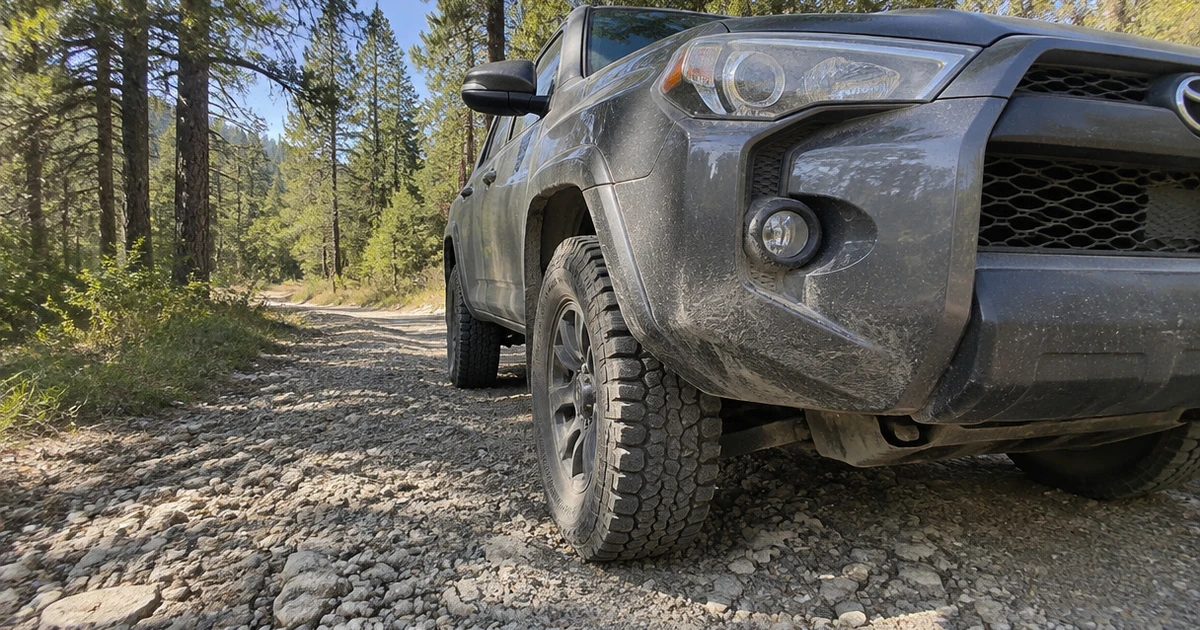
The right set depends on your usual roads, local weather, and how much comfort you want on pavement. Check fit and load limits before choosing a tread.
Driving Mix and Tread Type
Start with your normal week, not the hardest trail you might drive once. Highway tires suit pavement-heavy use and usually feel quieter, while all-terrain patterns add grip on dirt and gravel but can bring more tread hum and less precise wet-road handling. Mud-terrain tires suit frequent deep mud or loose ground, though their open blocks often feel loud and firm on paved commutes.
Use your main routes to narrow the type rather than buying for a rare trip. The list below gives you a practical starting point.
- Mostly paved roads: highway or touring tread.
- Regular gravel and forest roads: all-terrain tread.
- Frequent mud or rocky tracks: aggressive tread and stronger construction.
If you leave pavement only a few times each year, do not let rare trips dictate a noisy daily setup.
Size and Load Rating
Start with the tire size on the driver’s door placard or in the owner’s manual. The code gives width, sidewall ratio, construction, and wheel diameter. Use the factory size unless you have checked clearance through steering and suspension travel, since a taller tire can change speedometer readings and gearing.
Match or exceed the original load index and choose a suitable speed rating. An LT tire may carry more load, but its extra weight and stiffer casing can make the ride firmer. Use the chart to check the main fit points.
| Check | What to match | Why it matters |
|---|---|---|
| Size | Door placard | Maintains intended fit |
| Load index | Original or higher | Supports vehicle weight |
| Wheel diameter | Existing wheel | Fits the rim correctly |
Weather and Winter Traction
Your local winter matters more than the tire’s aggressive look. For regular snow, check for the three-peak mountain snowflake symbol, which marks a tire that meets a defined snow-traction standard.
The M+S marking alone does not represent the same severe-snow test. Sipes and many small tread edges help the tire bite in packed snow, while tread channels help move slush and water away.
Even a snow-rated all-terrain tire cannot match a dedicated winter tire on ice and very cold roads. If you face steep hills, freezing rain, or months of packed snow, consider a winter set and plan for seasonal swaps. For rain, prioritize strong wet grip and replace tires before worn tread limits traction.
Ride Comfort and Tread Life
Ride comfort depends on more than the tread label. A highway-focused pattern and a less aggressive block layout generally make less road noise, while heavy, open tread can hum on coarse pavement.
Tire construction and weight also affect how the 4Runner responds over bumps. If most of your miles come from commuting or long highway trips, put cabin noise and wet braking high on your list.
Check the tire maker’s treadwear warranty as a guide, not a promise of service life. Driving style, alignment, inflation, and heat all affect wear.
Rotate tires at the interval in your owner’s manual, check pressure when tires are cold, and fix uneven wear early. Those steps can help you get more even use from a set.
Off-Road Durability
Trail use calls for a balance of traction and protection. Look for sturdy sidewall construction and tread compounds designed to resist cuts or chips if you travel over sharp rock.
Reinforced sidewalls can help against trail hazards, but a tougher tire may add weight and ride more firmly. Choose an aggressive tread only if its extra bite suits the terrain you drive.
Pressure changes can improve grip off-road, but follow vehicle and tire maker guidance, account for your load, and reinflate before returning to highway speed. Check tread and sidewalls after rough trips for cuts, bulges, or lodged stones. Keep the spare close to the same overall diameter as the mounted tires, especially if you use four-wheel drive.
Frequently Asked Questions
What tire type works best for a Toyota 4Runner used mostly on roads?
For mostly paved driving, a highway or touring tire usually gives you lower road noise and a comfortable ride. If your routes include regular gravel roads, an all-terrain tire can add useful grip. Choose based on the roads you drive most, since a specialized tread can trade away comfort or wet-road precision.
Are all-terrain tires good in snow?
Some all-terrain tires carry the three-peak mountain snowflake mark and can handle packed snow better than ordinary all-season tires. Their grip still varies, and ice can challenge any all-terrain tread. If you drive through severe winter weather, a dedicated winter tire usually gives you stronger cold-weather traction and braking.
Do bigger tires improve off-road ability?
Larger tires can add ground clearance under the axles and help roll over obstacles, but size alone does not make a 4Runner more capable. A larger diameter can reduce gearing response, alter speedometer accuracy, and rub against body or suspension parts. Check fitment and load capacity before changing the factory size.
Should I choose passenger-rated or LT tires?
Passenger-rated tires often give a softer ride and lower weight for normal loads. LT tires use a construction intended for heavier work and may suit a vehicle that carries heavy gear or sees rough trails, but they can ride firmer. Match load capacity and inflation to the 4Runner and the load you actually carry.
How often should I rotate my tires?
Follow the rotation interval in your owner’s manual, since the right schedule can vary by tire setup and use. Check pressure monthly and before long drives, using the placard’s cold-pressure target. Ask a tire shop to check alignment if the tread wears unevenly or the vehicle pulls to one side.