
This post may contain affiliate links. As an Amazon Associate I earn from qualifying purchases. If you choose to make a purchase, I may earn a small commission at no extra cost to you.
Choosing tires for a Subaru Ascent can feel tricky because the SUV carries family, cargo, and often sees changing weather. Its standard all-wheel drive helps send power to the wheels, but it cannot make a worn or poorly matched tire grip well. The right set should fit your trim and driving conditions.
For the best tires for Subaru Ascent you can buy in 2026, focus on traction, ride comfort, tread life, and the tire’s load rating. Some drivers need dependable snow performance, while others care more about quiet highway miles or wet-road braking. The options below cover different uses and priorities, so you can match your choice to local weather, road quality, and how far you drive.
Our Top Subaru Ascent Tires Picks


More Details on Our Top Picks
Pros
- Three-Peak Mountain Snowflake certified
- Directional tread moves water and slush
- Strong wet and dry braking focus
- Seasonal grip designed to hold up as tread wears
Cons
- Tread can create extra hum on rough pavement
A directional V-shaped tread gives the Michelin CrossClimate2 a distinctive design and helps it move water and slush away from the contact patch. Its all-season rubber compound adapts across changing temperatures, so your Ascent can keep useful grip through wet spring roads and cold-weather trips.
The Three-Peak Mountain Snowflake certification marks it for severe snow service, a useful feature if your drives include winter weather. Michelin also focuses on wet and dry braking, giving you steady stops for daily errands and longer highway runs.
Its interlocking 3-D sipes add biting edges across the tread. Michelin says the tire maintains seasonal performance as it wears, which matters if you plan to keep one set on the vehicle for several years.
The CrossClimate2 has a more assertive tread pattern than a typical touring tire, but its road manners still suit a family SUV. You get year-round flexibility without moving to a dedicated winter tire for seasonal driving.
Michelin CrossClimate2 combines its winter certification with reliable wet-road manners, making it a versatile pick for varied weather. The V-shaped tread also gives the tire a clear identity among everyday touring designs.
Bottom line: Choose it for your Ascent if you want one tire for year-round driving and regular winter weather. It suits drivers who value snow capability along with everyday road manners.
Pros
- All-season traction for SUV use
- 70,000-mile treadwear warranty
- Road-focused radial construction
Cons
- Pavement focus limits its appeal for rough-road use
If your Ascent spends most of its time on paved roads, the Bridgestone Alenza Prestige brings a premium SUV focus to everyday driving. Bridgestone positions the Alenza line for crossovers and SUVs, with all-season traction for changing road and weather conditions.
The Alenza Prestige uses a radial construction and standard-load design, a straightforward setup for regular family travel. Its emphasis stays on all-season road use, not off-road driving or a sporty track feel.
One of its clearest ownership benefits is the 70,000-mile treadwear warranty. That coverage gives you a defined mileage target for a tire meant to handle commutes, school runs, and highway miles over time.
On an Ascent, this kind of touring tire fits a routine built around pavement and changing seasons. The Alenza Prestige name also signals its place in Bridgestone’s SUV-focused range, giving you a road-oriented option without an all-terrain tread.
Its appeal rests on a balanced role: passenger comfort and all-season traction for SUV duty, backed by a substantial treadwear warranty. Drivers who spend most of their time on paved routes can make use of that focus.
Bottom line: Consider it if your Ascent mainly handles paved commutes and family trips. The long treadwear warranty adds a clear ownership benefit.
Pros
- AquaTred grooves move water and slush
- Evolving grooves retain water channels as tread wears
- Three-Peak Mountain Snowflake certified
- Comfort inserts reduce bumps and vibration
Cons
- Its winter-focused tread can feel assertive on dry roads
Rain and slush can make lane changes and braking feel less settled, so the Goodyear Assurance WeatherReady 2 puts water control at the center of its design. AquaTred Technology uses sweeping grooves to channel water and slush away from the tread.
Goodyear also uses Evolving Traction Grooves, which expose new channels as the tread wears. That design keeps water-displacement features working through the tire’s life, giving your Ascent a steady wet-weather focus beyond the first season.
A specialized tread compound stays adaptable across different seasons, and the Three-Peak Mountain Snowflake mark confirms its severe-snow rating. Comfort inserts soften bumps and help steady steering during lane changes.
Variable tread-block sizes form a multi-pitch pattern to reduce road noise. That detail matters in a family SUV, where steady highway hum can intrude during conversations or longer drives.
The Assurance WeatherReady 2 gives you a winter-rated tire with a particular emphasis on wet-road control. Goodyear Assurance WeatherReady 2 also combines its water-moving tread with features aimed at a calmer cabin and smoother steering response.
Bottom line: Choose this Goodyear if rain and slushy winter roads shape your driving routine. Its snow rating and water-focused tread suit year-round use in changeable weather.
Pros
- 80,000-mile limited treadwear warranty
- Locking 3-D sipes add biting edges
- Focus on wet and dry stopping
- Six-year standard limited warranty
Cons
- Tread prioritizes longevity over sporty steering response
Michelin’s Defender line centers on long service life, and the Michelin Defender2 carries that idea into an all-season tire for cars and SUVs. Locking 3-D sipes create many biting edges across the tread, adding grip for wet and dry stops.
Michelin backs the Defender2 with an 80,000-mile limited treadwear warranty and a six-year standard limited warranty. That coverage gives you a clear measure of its longevity focus for daily driving and regular highway use.
The redesigned tread combines that long-life aim with stopping power in poor weather. Its 3-D sipes lock together under load, helping the tread stay stable while those edges meet the pavement.
For an Ascent that spends most of its time on roads, the Defender2 keeps the emphasis on dependable touring rather than off-road use. Michelin Defender2 also suits drivers who want a long-wearing tire with a defined warranty behind it.
The tire’s all-season design can handle ordinary shifts in weather, while its treadwear focus supports steady use across many miles. You get a practical road tire with wet and dry grip built into its central design.
Bottom line: Pick the Defender2 if long tread life ranks high for your Ascent. Its warranty and wet-road braking focus suit drivers who spend most of their time on pavement.
Pros
- All-weather touring purpose
- Aimed at year-round passenger use
- Road-focused character suits daily driving
Cons
- Touring tread is not built for off-road use
For drivers who want one set of tires to cover changing seasons, the Bridgestone UltraWeather takes an all-weather touring approach. It targets everyday road use in a passenger vehicle, making it relevant to an Ascent driven through ordinary commutes and family trips.
All-weather tires occupy a useful middle ground for people who face cold temperatures and occasional snow but do not want a separate winter set. The UltraWeather’s role is to offer year-round road traction, with a touring focus instead of a sporty or off-road character.
That balance can suit routes that shift from damp pavement to chilly morning roads over the course of a season. You get a single tire category aimed at mixed conditions, rather than a design built only for warm-weather driving.
Bridgestone UltraWeather keeps the pitch simple: passenger touring use and all-weather traction. That straightforward purpose matters if you want one consistent setup for daily miles across a wide range of weather.
For an SUV used mostly on pavement, its touring identity fits the job better than a rugged tread intended for trails. The appeal here comes from its year-round role, not a focus on high-speed handling or deep off-road travel.
Bottom line: Consider the UltraWeather if you want a road-oriented tire for changing conditions throughout the year. It suits an Ascent used mainly for commutes and family travel.
Pros
- Three-Peak Mountain Snowflake certified
- Deep grooves and dense sipes
- Low rolling resistance design
- 60,000-mile limited tread life warranty
Cons
- Winter-oriented tread can add road hum
Nokian builds winter capability into the Remedy WRG5 with an asymmetric tread, deep grooves, and a dense network of sipes. That layout gives the Nokian Remedy WRG5 many edges to bite into snow and slush as you drive.
The Three-Peak Mountain Snowflake certification marks it for moderate to severe winter conditions. For an Ascent that sees cold-weather routes, that rating adds a useful layer of winter traction to its all-weather role.
Nokian also uses a low rolling resistance design to limit energy loss as the tire rolls. That approach favors efficient everyday travel, while a 60,000-mile limited tread life warranty gives you a defined mileage term.
The asymmetric tread balances different functions across its inner and outer areas, while the grooves help clear water from the contact patch. The Remedy WRG5 handles the changing conditions that define all-weather driving without giving up its road-focused character.
Its winter credentials make it useful for drivers whose routes include regular snow, and its touring purpose fits routine paved-road travel. The tread design keeps the focus on traction through the colder months.
Bottom line: The Remedy WRG5 suits you if winter traction matters but you want an all-weather tire for daily roads. Its snow certification and low rolling resistance cover two useful needs.
Pros
- EcoPlus Technology targets lower rolling resistance
- Quiet ride focus
- Wet-road braking design
- Up to 70,000 miles of limited tread life coverage
Cons
- Touring tread lacks the grip of a dedicated winter tire
Quiet road manners give the Continental CrossContact LX25 a clear role for a family SUV that spends long stretches on pavement. Its touring design aims to soften cabin noise while keeping steering responsive through everyday driving.
Continental’s EcoPlus Technology links lower rolling resistance with longer tread life and wet-road braking. That mix serves daily use well, especially if your Ascent carries passengers on commutes and weekend highway trips.
The tread pattern helps the tire stop on wet roads, and the overall design focuses on year-round road handling. Continental also offers up to 70,000 miles of limited tread life coverage, adding a defined mileage benefit to its touring character.
Continental CrossContact LX25 puts comfort and fuel-conscious design into a tire made for truck and SUV use. Its low-noise approach can make a difference on longer drives when you want a calmer cabin.
The LX25’s pavement-centered design suits the steady routine of errands, school runs, and highway travel. You get a touring tire with wet braking and tread life as part of the same package.
Bottom line: Choose the CrossContact LX25 for an Ascent used mostly on paved roads, especially if cabin comfort matters. Its wet-road braking and mileage coverage suit regular family driving.
Pros
- Computer-tuned symmetric tread
- Reduced tread void and tuned pitch sequence
- 70,000-mile limited treadwear warranty
- SUV-focused year-round handling
Cons
- All-season design is not a substitute for winter tires on icy routes
A computer-tuned symmetric tread gives the Pirelli Scorpion AS 4 a road-focused base for CUV and SUV driving. Pirelli shapes the tread to promote even wear, supporting consistent handling across the tire’s service life.
The design also uses reduced tread void and optimized pitch sequencing to cut road noise and vibration. Those details can help keep your Ascent’s cabin calmer on longer drives and daily commutes.
Pirelli builds the Scorpion AS 4 for year-round handling, with a new-generation construction and pattern aimed at steady road performance. The 70,000-mile limited treadwear warranty adds a substantial mileage term to its touring role.
Pirelli Scorpion AS 4 fits the needs of SUV drivers who want road manners rather than a trail-oriented tread. Its design puts even wear and a quieter ride at the center of the experience.
That focus suits family trips where pavement comfort matters, while the all-season layout handles the normal changes in weather. Its symmetric pattern gives the tire a clear, practical purpose for everyday SUV use.
Bottom line: Consider the Scorpion AS 4 if you value a quiet, road-focused ride for your Ascent. Its even-wear tread and long warranty suit regular paved-road use.
Pros
- Micro-silica compound targets wet traction
- Sipes and serrated grooves add cold-weather biting edges
- Staggered multi-pitch tread cuts road noise
- 65,000-mile limited treadwear warranty for standard fitments
Cons
- Steering response favors comfort over sporty cornering
Wet-weather traction comes from a micro-silica rubber compound in the Yokohama Geolandar CV G058. That compound gives the tire a wet-road focus while also supporting long tread life for everyday SUV driving.
Yokohama combines 2-D and 3-D sipes with serrated outer grooves to add biting edges in cold weather. Those features help the tread find grip in lower temperatures, including slush and snow.
Chamfered ribs keep more of the tread in steady contact with the road, supporting even wear. A staggered multi-pitch pattern also cuts road noise, giving your Ascent a quieter feel on regular drives.
The G058 carries a 65,000-mile limited treadwear warranty for standard and front staggered applications. Yokohama Geolandar CV G058 brings together wet traction, cold-weather tread features, and a quieter touring pattern in a road-oriented SUV tire.
Its design keeps the emphasis on paved routes, where the combination of wet grip and subdued noise can matter day after day. You also get tread features aimed at changing conditions as temperatures fall.
Bottom line: The Geolandar CV G058 suits an Ascent used on wet roads and in cooler weather. Its tread features and noise-conscious pattern support daily paved driving.
Pros
- Three-Peak Mountain Snowflake certified
- Snow claws bite into loose snow
- Dense sipes and zigzag tread blocks aid winter grip
- 60,000-mile limited tread life warranty
Cons
- Snow-oriented tread can feel less crisp in warm-weather corners
The Toyo Celsius II puts winter grip at the center of its all-weather design. High sipe density and zigzag tread blocks create edges that bite into winter roads, while snow claws dig into loose snow for added traction.
The Three-Peak Mountain Snowflake mark confirms the Celsius II’s rating for moderate to severe winter conditions. That certification gives you a useful option for an Ascent that sees regular cold-weather driving without a seasonal tire change.
Toyo designed this passenger tire for cars, CUVs, and SUVs, and backs it with a 60,000-mile limited tread life warranty. Its role goes beyond snow, with an all-weather setup meant to handle daily road use throughout the year.
Toyo Celsius II gives winter traction a stronger part in the design than a basic warm-weather touring tire. Its snow claws and dense sipes give the tread a clear job when roads turn slick.
The Celsius II’s combination of an all-weather purpose and a substantial mileage warranty makes it practical for regular use. You get a road-oriented tire with winter features built into its tread pattern.
Bottom line: Pick the Celsius II if winter traction is a priority for your Ascent’s regular routes. Its snow-focused tread and all-weather role suit drivers who want one set through changing seasons.
Factors to Consider When Choosing Tires for Subaru Ascent
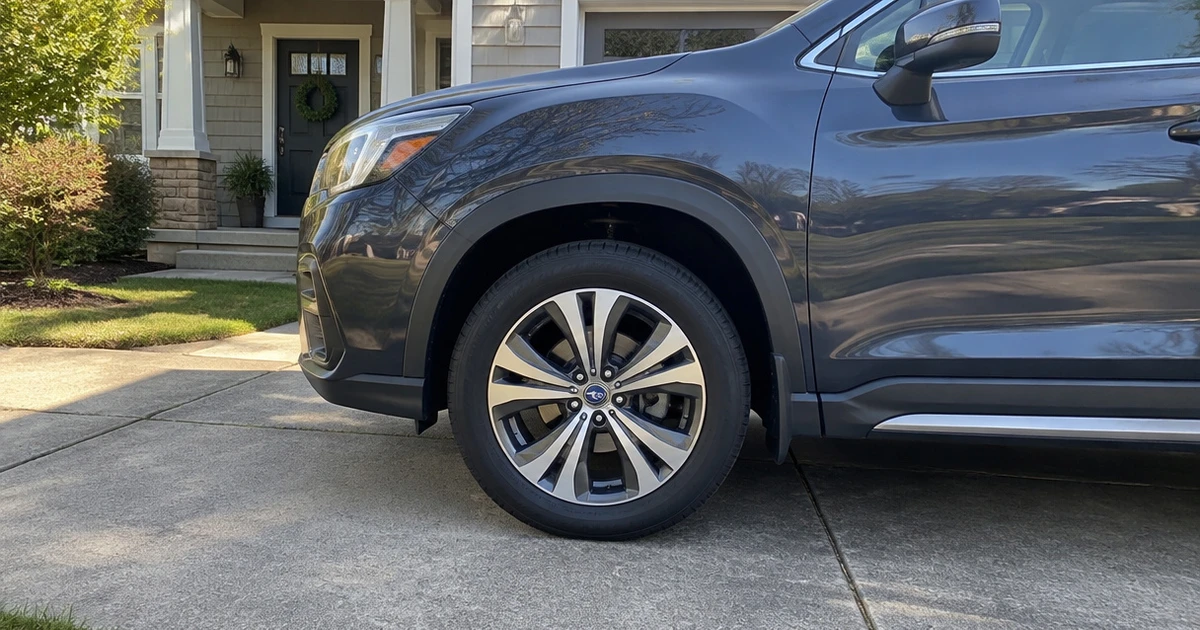
The Ascent needs tires that fit its placard and suit the roads you drive most. Use these checks to balance safety, comfort, and tread life without choosing features your climate rarely calls for. Think about who rides with you and how often the vehicle carries a full load.
Fit, Load, and Speed Rating
Find your Ascent’s full tire size on the driver-door placard or in the owner’s manual for your model year and trim. A tire that fits the wheel still needs the right width, sidewall height, and load capacity. Use an approved size rather than guessing from wheel diameter.
Check the load index and speed rating too. The tire must carry at least the load shown for your vehicle, and its speed rating should meet the maker’s guidance.
A lower rating can reduce the reserve the vehicle needs when loaded. Before buying, confirm:
- The tire size matches the placard.
- The load index meets the vehicle requirement.
- The speed rating follows the maker’s guidance.
Weather and Tread Type
Choose by winter weather, not just the sidewall label. Standard all-season tires suit mild winters and daily use.
Snow-rated all-weather tires add cold-weather grip without a seasonal change. Frequent ice or deep snow calls for dedicated winter tires, which offer more control when braking and turning.
In rainy areas, look for open grooves that move water away from the contact patch. In snowy regions, the Three-Peak Mountain Snowflake symbol marks tires that meet a set snow-traction threshold. It does not make every winter road safe, so match the tire to your routes and temperatures.
| Type | Best suited to | Main trade-off |
|---|---|---|
| All-season | Mild winters and daily use | Less snow grip than winter tires |
| Snow-rated all-weather | Regular snow and year-round use | May wear faster in warm conditions |
| Winter | Frequent ice or deep snow | Needs a seasonal tire change |
Tread Life and Warranty
A treadwear warranty gives you a basis for comparing expected service, but it does not promise that a tire will last that long. Claims may depend on rotation, alignment, inflation, and proof of maintenance.
Read the terms before treating a longer warranty as a better deal. Also check whether the warranty calls for a certain rotation pattern or regular inspections.
Think about annual mileage and road surfaces too. Highway driving on smooth pavement may favor a touring tire designed for steady wear, while rough roads and heavy loads can speed wear.
Check tread depth during routine service and replace the tire before shallow grooves weaken wet-weather grip. If you drive far each year, a longer-wear focus may matter more than sporty steering response.
Ride Comfort and Road Noise
An Ascent often carries passengers, so ride quality matters on long trips. Touring tires tend to focus on steady handling and lower road noise, while aggressive tread blocks can add sound on pavement. Look for closely spaced tread blocks and comfort-focused construction if most of your miles come from highways.
Your own roads matter too. Coarse pavement can make even a quiet tire sound louder, and a softer sidewall may feel less direct in quick turns. If you often drive winding roads or carry a full cabin, compare handling advice alongside comfort claims.
Keep pressures at the vehicle placard setting, since too little or too much air can hurt ride and grip. A short drive on your usual roads can reveal sound and steering feel better than labels alone.
All-Wheel-Drive Tire Care
All-wheel drive makes tire matching more important than it is on many two-wheel-drive vehicles. Keep all four tires at the same size and, when possible, the same make and model with similar tread depth. Differences in rolling circumference can make the system work harder, so replace tires as a set when wear or damage leaves a large mismatch.
Rotate the tires on the schedule in your manual, and check pressure when they are cold. Ask a tire shop to measure tread depth and compare the remaining tires before replacing only one or two.
Alignment checks can help if the Ascent pulls to one side, the steering wheel sits crooked, or tread wears unevenly. Keep a pressure gauge in the vehicle, since dashboard alerts do not replace a cold-pressure check.
Frequently Asked Questions
What tire size fits a Subaru Ascent?
Find the size your Ascent needs on the driver-door placard or in the owner’s manual for its model year and trim. Do not choose by wheel diameter alone. Match the full size, load index, and speed rating to the vehicle’s requirements because fit and carrying capacity affect handling and safety.
Are all-season tires safe for winter driving?
All-season tires can handle light snow and cold rain, but their grip drops in sustained freezing weather. If you regularly face packed snow, steep icy roads, or long periods below freezing, choose winter tires that provide stronger cold-weather traction. Match the tire to your actual routes, and slow down when conditions turn slick.
Should I replace all four tires on an all-wheel-drive Ascent?
Keeping rolling circumference close across all four wheels helps protect the drivetrain. Replace all four if the remaining tires have much less tread than a new one. A tire shop can measure them and tell you whether a single replacement can match the current wear without creating a large difference.
How often should I rotate the tires?
Follow the rotation schedule in the owner’s manual, since the right interval can vary by model year and tire setup. Regular rotation helps the tires wear more evenly, especially when front and rear positions put different demands on them. Check pressure monthly and before long trips.
What should I check for a quiet ride?
Start with a touring tire that focuses on comfort and low road noise, then look for steady wet grip and suitable load capacity. Your pavement type and tire pressure also affect cabin sound. A correct alignment and even tread wear help preserve a calm, predictable ride over time.