
This post may contain affiliate links. As an Amazon Associate I earn from qualifying purchases. If you choose to make a purchase, I may earn a small commission at no extra cost to you.
An all-terrain tire has to do more than look ready for dirt roads. On pavement, loud tread, weak wet braking, or a rough ride can wear on you, especially if most miles come from commuting or long trips. You may still need traction on gravel, muddy access roads, or a snowy driveway.
A good choice matches your vehicle, climate, and off-road needs while keeping comfort, grip, and upkeep in balance. The best all terrain tires for highway driving you can buy in 2026 serve different priorities, from quiet daily use to winter travel or rougher trails. The guide below explains how to compare those options and choose a tire that fits your roads and routine.
Our Top All-Terrain Tires Picks



More Details on Our Top Picks
Pros
- TractionPlus Technology balances wet grip and durability
- Quiet ride for an all-terrain tire
- Stable highway handling
- 60,000-mile limited tread-life warranty
Cons
- Deep mud can overwhelm its road-focused tread
TractionPlus Technology gives the Continental TerrainContact A/T its highway-friendly character, with a focus on wet-road grip, durability and restrained road noise. Its tread design balances everyday pavement use with traction for dirt roads and light off-road travel.
On paved routes, the tire keeps road noise low and gives you composed handling. Continental’s approach suits drivers who spend much of the week on highways but still take their truck or SUV onto gravel or packed dirt.
TractionPlus Technology also targets longer wear, and Continental backs the tire with a 60,000-mile limited tread-life warranty. That coverage adds useful peace of mind for drivers who rack up miles on mixed routes.
The TerrainContact A/T feels more settled on pavement than a deeply lugged, trail-first tire. You still get useful all-terrain traction, but its design puts comfort and wet-road manners near the front of the list.
Bottom line: Choose it for a truck or SUV that spends most of its time on pavement but sees regular gravel and dirt roads.
Pros
- Factory-fit option on some Ford F-150 models
- Tread adds grip on dirt and gravel
- Road-oriented manners for daily pickup use
Cons
- Less suited to technical trails and deep mud
Pickup owners who want an all-terrain look without giving up daily comfort will recognize the priorities of the Goodyear Wrangler Territory AT. Its tread brings more traction for dirt and gravel than a highway-focused design, while keeping a road-oriented character.
Goodyear supplies this tire as original equipment on some Ford F-150 models, reflecting its focus on everyday truck use. On highway commutes, its all-terrain tread feels more suited to steady paved driving than slow, technical trail work.
The Wrangler Territory AT gives you useful grip on firm dirt and gravel, along with the familiar all-season role of a truck tire. Its tread pattern adds shoulder traction for loose surfaces without relying on the deep, open lugs found on mud-focused tires.
That balance makes the tire a practical fit for pickup driving that mixes highway miles with occasional unpaved roads. It favors predictable road manners over specialized off-road features, which keeps its strengths focused on ordinary truck use.
Bottom line: Consider it for a pickup driven mainly on pavement, with occasional trips across firm dirt or gravel.
Pros
- MaxTouch Construction promotes even tread wear
- Comfort Control Technology reduces road noise and vibration
- Tread resists gravel damage
- Comfortable highway handling
Cons
- Limited bite in deep mud
Michelin’s MaxTouch Construction distributes acceleration, braking and cornering forces across the tread of the Michelin LTX A/T2. That design supports even wear while the tire handles everyday highway driving and occasional off-road travel.
Comfort Control Technology uses a computer-tuned tread design to reduce road noise and vibration. You feel that focus on long paved drives, where the LTX A/T2 delivers the calm ride expected from a road-oriented all-terrain tire.
Michelin also builds the tread compound to resist chipping and tearing on gravel. That gives the tire more durability for rough access roads without asking you to accept the louder, harsher feel of a more aggressive tread.
The Michelin LTX A/T2 keeps its handling steady on pavement and provides useful traction on firm, uneven ground. Its all-season design suits varied weather, while the tread pattern clearly favors road comfort over deep-mud performance.
Bottom line: Pick it for long highway drives, frequent gravel routes and a quieter ride in a truck or SUV.
Pros
- Heat Diffuser Technology manages sidewall heat
- 3D Canyon Sipe Technology adds snow traction
- Three-Peak Mountain Snowflake rated
- Durable tread and sidewall design
Cons
- Deep tread can produce noticeable road hum
Heat Diffuser Technology sets the Falken Wildpeak A/T4W apart for drivers who carry heavy loads or tow. It manages heat in the lower sidewall, while the tire’s tough sidewall and deeper tread suit rough roads and demanding weather.
Falken adds 3D Canyon Sipe Technology to create biting edges that improve traction in snow and on loose ground. The A/T4W carries the Three-Peak Mountain Snowflake symbol, which marks it for severe snow service.
On the highway, the Wildpeak A/T4W gives you the sturdy feel of a tire built to cover changing surfaces. Its tread also works on gravel, mud and rocky ground, so you can leave paved roads without switching to a specialized trail tire.
The A/T4W’s all-weather design comes into its own across changing seasons, including hot conditions and snowy winters. Falken gives the tread and sidewall a durable build for regular use on rough routes as well as paved roads.
Bottom line: Choose it for year-round driving that includes snow, rough roads, towing or regular off-road travel.
Pros
- CoreGard Technology strengthens the sidewalls
- Advanced Deflection Design guards against sticks and stones
- Serrated shoulders and mud-phobic bars add traction
- 50,000-mile limited treadwear warranty
Cons
- Aggressive tread can create more road hum on long drives
CoreGard Technology gives the BFGoodrich All-Terrain T/A KO3 tough sidewalls, drawing on design work developed for Baja racing. Its Advanced Deflection Design steers sticks and stones away from the sidewall to reduce the risk of snags and cuts.
BFGoodrich pairs that protection with a new all-terrain tread pattern and compound built to resist wear and gravel damage. The KO3 keeps its useful grip on loose ground while its tread also handles everyday highway driving.
Serrated shoulder blocks and mud-phobic bars add traction in mud and snow. They help the tire clear loose material from the tread, and the KO3 carries a 50,000-mile limited treadwear warranty and a six-year standard limited warranty.
On pavement, you get a planted feel from the rugged tread and a durable build for rougher routes. The design brings serious trail protection to a light-truck tire without making it a mud-only specialist.
Bottom line: Go with it for frequent gravel and trail use, especially if sidewall durability matters to you.
Pros
- Sidewall tread adds grip on uneven ground
- Connected center lugs improve snow stability
- Three-Peak Mountain Snowflake rated
- Designed for even wear and trail durability
Cons
- Its broad tread blocks feel less crisp on smooth pavement
The Cooper Discoverer Road+Trail AT extends its continuous tread pattern down the sidewall, adding more contact area for soft or uneven ground. Its angled sidewall blocks give the tread a sturdy shape for routes that move between pavement and trail.
Interlocking tread blocks provide grip on wet and dry roads, while connected center lugs add stability on snow. The tire carries the Three-Peak Mountain Snowflake symbol, so it meets the standard for severe snow service.
Cooper also designed the tread to wear more evenly and resist cuts, cracks and tears on rough ground. On city streets and highways, that construction pairs with a quieter, smoother ride than its trail-ready appearance might suggest.
The Discoverer Road+Trail AT works across changing surfaces without giving up everyday road manners. Its snow-focused tread design adds useful cold-weather traction, and the sidewall pattern brings extra grip when you leave smooth pavement.
Bottom line: It suits drivers who want a quiet daily tire with added snow traction and grip for unpaved roads.
Pros
- Low road noise for an all-terrain tire
- Balanced pavement and off-road traction
- Durable construction for rough routes
- Up to 60,000-mile limited tread-life coverage
Cons
- Its tread lacks the bite of a mud-focused tire
General Tire builds the Grabber APT around a balance of road comfort and useful off-road traction. Its durable construction handles rougher routes, while the tread pattern keeps noise low enough for regular highway driving.
The all-purpose tread gives you grip on dirt and gravel without the large, open voids of a mud-focused tire. That design helps the General Grabber APT feel composed on paved roads and keeps the tire practical for everyday truck and SUV use.
General covers the tire with a limited tread-life warranty of up to 60,000 miles. The long-wearing tread suits drivers who log many highway miles, while its all-terrain layout leaves room for occasional trips onto uneven ground.
On the road, the Grabber APT delivers a smooth, quiet ride for an all-terrain design. Its construction also handles the bumps and scrapes that come with regular off-road use, giving you a useful mix of comfort and toughness.
Bottom line: This tire fits drivers who value quiet highway travel but still take their truck or SUV onto dirt and gravel.
Pros
- Endurocore construction adds strength for heavy loads
- Enduro compound resists cuts and chips
- Three-Peak Mountain Snowflake rated
- 60,000-mile limited treadwear warranty
Cons
- Ice grip falls short of a dedicated winter tire
The Yokohama Geolandar A/T G015 combines a cut- and chip-resistant Enduro compound with Endurocore construction. Those features add durability for rough roads and heavier loads, while the tread stays suited to regular highway use.
Its Three-Peak Mountain Snowflake rating marks the G015 for severe snow service. The tread pattern gives you useful traction in winter conditions and on loose ground, while keeping a road-friendly feel for daily driving.
Yokohama backs the tire with a 60,000-mile limited treadwear warranty and a 30-day satisfaction guarantee. That coverage pairs with the durable compound for drivers who split their miles between paved roads and gravel.
On dry pavement, the Geolandar A/T G015 feels composed for an all-terrain tire. Its winter rating adds confidence on snow-covered roads, and the reinforced construction brings extra toughness to the tire’s all-season design.
Bottom line: Choose it for a truck or SUV that sees highway miles, gravel roads and regular winter weather.
Pros
- Full-depth 3D sipes maintain biting edges
- Open tread voids help clear water
- Three-Peak Mountain Snowflake rated
- Aggressive shoulders add off-road grip
Cons
- Shoulder tread feels less refined on smooth pavement
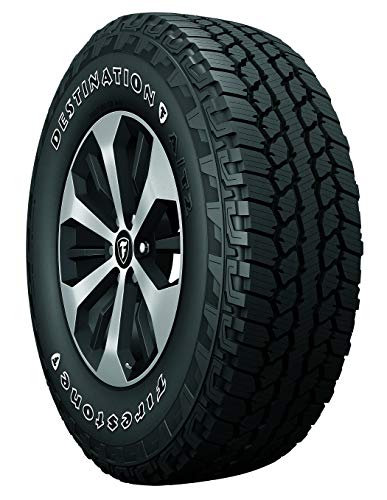
Firestone’s full-depth interlocking 3D sipes give the Destination A/T2 biting edges across the tread. They help the tire maintain traction as it wears, while the open tread spaces move water away from the contact area.
The Firestone Destination A/T2 carries the Three-Peak Mountain Snowflake symbol for severe snow service. Its aggressive shoulder tread adds grip on uneven ground, and the tread design targets wet-road handling as well as off-road traction.
On highways, the Destination A/T2 provides steady all-season handling for trucks and SUVs. Its tread pattern gives you more confidence on rain-soaked roads than a closed, highway-only design, while still working on gravel and packed dirt.
Firestone combines those features to keep the tire useful across changing road conditions. The deep sipes maintain their edges through the tread’s wear, and the open voids help water escape instead of sitting beneath the tire.
Bottom line: Pick it for wet-weather highway travel, winter driving and regular use on gravel or dirt roads.
Pros
- Deep grooves and full-depth sipes add traction
- Tread compound resists rough-surface wear
- 50,000-mile treadlife warranty
- All-season design for trucks and SUVs
Cons
- Rugged tread can create noticeable hum on long highway trips
Deep grooves and full-depth sipes give the Pirelli Scorpion All Terrain Plus its rugged all-terrain tread. The pattern creates edges for traction on loose ground and snow, while the tire’s all-season design also suits regular highway driving.
Pirelli designed the tread compound to handle rough off-road surfaces and resist wear. The Scorpion All Terrain Plus carries a 50,000-mile treadlife warranty, which adds useful coverage for drivers who split time between pavement and trails.
On highways, the tire gives you steady truck and SUV handling without losing its trail-ready tread. The block pattern adds traction on gravel and dirt, while the deeper grooves help clear loose material from the tread.
The Scorpion All Terrain Plus favors a rugged feel and an assertive tread over a smooth, road-only design. Its mix of all-season road use and off-road traction makes it a versatile option for changing surfaces.
Bottom line: Choose it for a truck or SUV that regularly leaves pavement but still needs to handle highway miles.
Factors to Consider When Choosing All Terrain Tires for Highway Driving
Road Noise and Ride Comfort
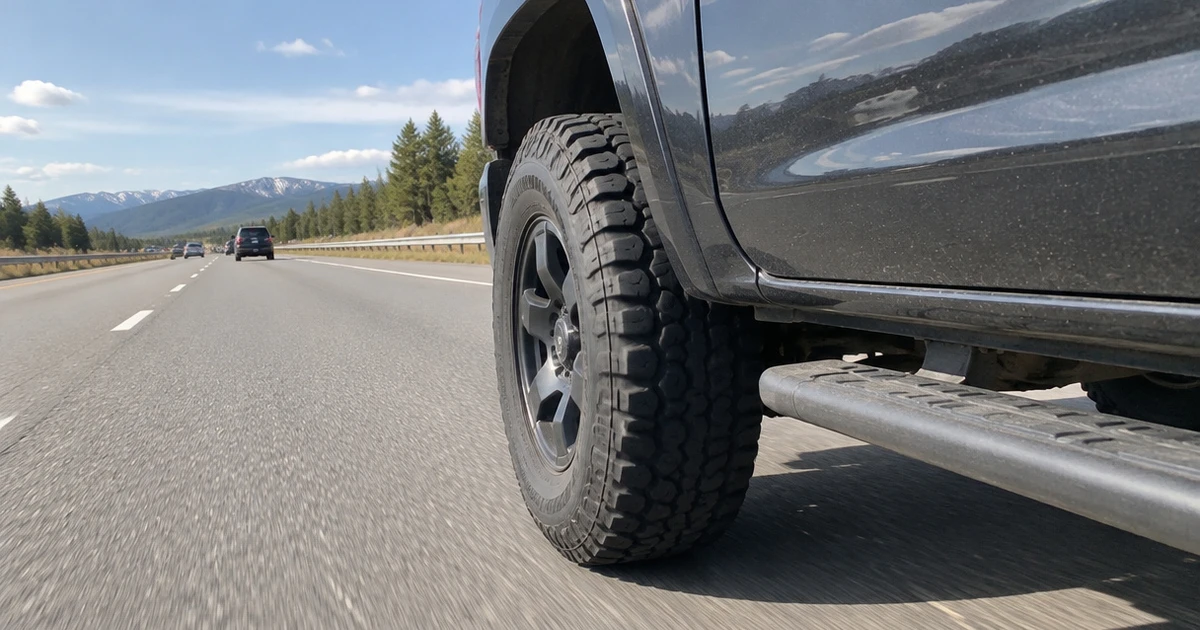
All-terrain tread uses larger blocks and open grooves than a highway tire, so some hum comes with the design. For steady pavement use, look for closely spaced blocks, many small sipes, and a tread layout that limits repeating noise. Heavy-duty construction can also make the ride feel firmer.
Compare tread designs against how much highway time you drive. A tighter pattern usually feels calmer and tracks smoothly, while open shoulder blocks can add noise but help on loose ground. Use these broad trade-offs as a starting point:
| Tread style | Best fit | Common trade-off |
|---|---|---|
| Tighter blocks | Daily highway use | Less bite in loose terrain |
| Balanced pattern | Mixed road and trail use | Moderate noise |
| Open, large blocks | Frequent rough roads | More road hum |
Wet-Road Grip
Rain exposes the difference between a tire that looks rugged and one that grips well on pavement. Look for plenty of small sipes, which add biting edges, and grooves that move water away from the contact area. A tire’s wet-road performance also depends on its rubber compound and tread design, not just how deep the grooves look.
Think about your regular routes and driving pace. If you face heavy rain or standing water, favor a design with clear water channels and reliable wet-road feedback over extra-open tread blocks. Keep enough tread depth for water to escape, and replace tires before worn grooves leave you with less protection against hydroplaning.
Snow and Cold-Weather Use
For regular winter driving, check for the Three-Peak Mountain Snowflake symbol on the sidewall. It shows that the tire meets a standard for severe-snow traction. It does not promise the same grip as a dedicated winter tire, especially on ice, so match your choice to the roads and conditions you face.
Small sipes can help a tire grip packed snow, while wide grooves clear slush. If you drive through frequent snow, weigh winter traction more heavily than a quiet tread. In places with harsh winters, plan to use dedicated winter tires if you need stronger cold-weather and ice performance.
Tread Life and Upkeep
Check the treadwear warranty as one way to compare a tire’s intended service life, but do not treat it as a promise of mileage. Your results depend on load, road surface, driving habits, inflation, and alignment. A rugged tread may also wear unevenly if you skip regular rotations or drive with incorrect pressure.
Follow your vehicle maker’s rotation schedule and check pressure when the tires sit cold. Watch for uneven wear, since it can point to low pressure, alignment trouble, or worn suspension parts. These habits help you get steadier wear from the tread:
- Check pressure at least once a month.
- Rotate tires at the intervals in your owner’s manual.
- Ask for an alignment check if wear looks uneven.
Size, Load, and Fit
Start with the tire size on your vehicle’s door placard or owner’s manual. Match its load index and speed rating to the vehicle maker’s requirements, too. A higher load range can suit heavy cargo or towing, but its stiffer construction may make the ride harsher than you want for daily highway travel.
Do not assume a larger tire will fit just because it looks right. Changes to tire diameter can affect clearance, speedometer readings, and handling. If you carry heavy loads, tow often, or drive a modified vehicle, ask a tire shop to confirm fit and load capacity before you buy.
Off-Road Needs
Think about the roughest surface you actually drive, not the trail you might visit once a year. Gravel roads and occasional dirt tracks rarely call for the same tread as deep mud or sharp rocks. Larger tread blocks and stronger sidewalls can help on rough ground, but they often add weight and road noise.
Look at the tire’s shoulder design and sidewall protection if you spend time on rocky tracks. For mostly paved driving with some gravel, a less open tread can keep the ride calmer. If your routes include frequent mud, loose soil, or sharp debris, accept some extra noise in exchange for more off-road grip and protection.
Pick the Tire That Fits Your Miles
Choose the Continental TerrainContact A/T for a balanced highway-first fit, the Goodyear Wrangler Territory AT for pickup road manners, or the Michelin LTX A/T2 for long trips. The Falken Wildpeak A/T4W and BFGoodrich All-Terrain T/A KO3 suit broader weather and tougher trail use, while the Cooper Discoverer Road+Trail AT and Yokohama Geolandar A/T G015 appeal if snow traction matters.
For daily calm, look at the General Grabber APT; for wet-road confidence, the Firestone Destination A/T2; and for a more aggressive tread, the Pirelli Scorpion All Terrain Plus. Match your shortlist to your vehicle’s required size and load rating, your winter conditions, and how much rough road you drive. A quieter, less open tread often makes the better highway companion.
Frequently Asked Questions
Are all-terrain tires noisier than highway tires?
Often, yes. Larger tread blocks and open grooves can create more hum on pavement than a highway tire’s tighter tread. Some all-terrain designs limit that noise with closely spaced blocks and small sipes. If you spend most of your time on paved roads, pay attention to tread layout and comfort features before choosing.
Can you use all-terrain tires year-round?
Many drivers use them year-round, but climate matters. Some all-terrain tires carry the Three-Peak Mountain Snowflake symbol for severe-snow traction, while others suit milder conditions better. Even a snow-rated tire cannot match a dedicated winter tire on ice, so choose based on your local winters and driving needs.
Are all-terrain tires good in snow?
Some handle packed snow well, especially designs with plenty of sipes and a severe-snow rating. That rating does not guarantee strong ice grip, and performance varies by tread design and rubber compound. If you regularly drive on icy roads or through heavy winter weather, dedicated winter tires may give you more suitable traction.
How often should you rotate all-terrain tires?
Follow the rotation schedule in your vehicle owner’s manual, since the right interval can vary by vehicle and drivetrain. Regular rotation helps the tires wear more evenly, especially if you carry loads or drive on rough roads. Check pressure often, too, and ask a shop to inspect alignment if you spot uneven tread wear.
Do all-terrain tires affect fuel economy?
They can. Many all-terrain tires weigh more and create more rolling resistance than highway tires, which can raise fuel use. The difference depends on tire design, vehicle, pressure, and driving habits. Keep the tires properly inflated and choose a tread style that matches your real off-road needs to limit extra resistance.