
This post may contain affiliate links. As an Amazon Associate I earn from qualifying purchases. If you choose to make a purchase, I may earn a small commission at no extra cost to you.
Choosing an all-terrain tire on a tight budget can feel like a trade between quiet pavement manners and the grip you need on dirt, gravel, or snow. A bold tread may suit rough roads but add noise, while a road-focused pattern may struggle in deep mud.
A good choice starts with your usual routes, your vehicle’s load needs, and local weather. Check winter markings, tread design, load rating, and warranty, then weigh them against comfort and expected wear.
The best budget all terrain tires you can buy in 2026 should fit your driving, not just look ready for a trail. The picks below cover needs from commuting to work use and winter travel.
Our Top Budget All Terrain Tires Picks


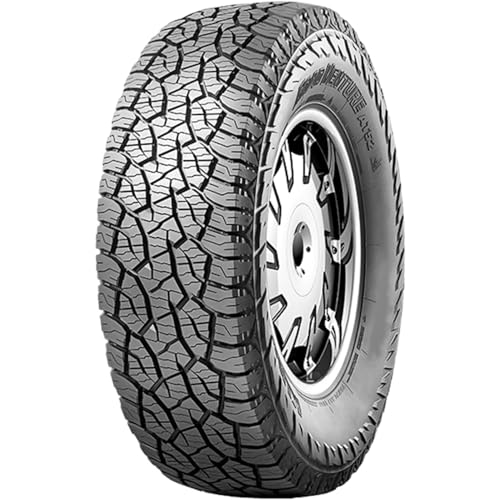


More Details on Our Top Picks
Pros
- 3D Canyon sipes stabilize tread blocks under torque
- Heat-diffusing sidewall design
- Severe-snow rating
- Steady handling on paved roads
Cons
- Tread hum increases on coarse pavement
Falken Wildpeak A/T3W uses 3D Canyon Sipe Technology to lock its tread blocks together under torque. That design helps the tire hold its shape during hard acceleration and resists uneven wear, while the deep tread gives you a sure footing on dirt and gravel.
Falken also builds heat-diffusing technology into the lower sidewall to manage heat during heavy use. Its rugged shoulder blocks add grip on loose ground, and the severe-snow rating gives you added traction in winter conditions.
On pavement, the A/T3W feels stable through turns and tracks steadily at highway speeds. You can hear its all-terrain tread on rough roads, but it stays composed on ordinary commutes and paved trips.
The 3D Canyon Sipe Technology gives this tire a useful mix of tread stability and grip. Its winter-rated traction and durable construction make it a practical option for trucks and SUVs that split time between pavement and trails.
Bottom line: Get it for a truck or SUV that sees regular highway miles along with gravel, dirt, and winter roads. It balances trail grip with stable everyday handling.
Pros
- Quiet ride for an all-terrain tire
- Up to 60,000-mile limited tread life coverage
- Durable casing for off-road use
- Smooth road manners
Cons
- Deep mud can clog the tread
If your truck spends most days on pavement but still takes occasional dirt roads, General Grabber APT keeps the tread design grounded in everyday driving. Its all-terrain pattern gives you traction on loose surfaces without the louder, more aggressive feel of a dedicated mud tire.
General uses a durable tread and casing to handle regular off-road use. The block pattern gives the tire plenty of edges to bite into gravel and packed dirt, while its road-focused design keeps the ride quiet and smooth during longer trips.
The quiet tread design matters when you spend hours in the cabin. You still get an all-terrain tire that can handle changing surfaces, and General offers up to 60,000 miles of limited tread life coverage.
On a mixed route, the Grabber APT feels at home on paved roads and holds its footing on maintained trails. Its even-handed character keeps daily driving comfortable without giving up the traction you need when pavement ends.
Bottom line: Choose this tire for a pickup or SUV that sees mostly paved miles and occasional trail use. It suits drivers who put cabin comfort high on their list.
Pros
- Three-Peak Mountain Snowflake certified
- Extreme side-biters add shoulder traction
- Interlocking blocks resist tread wear
- Five-pitch layout reduces pattern noise
Cons
- Large tread blocks can feel firm on broken pavement
Extreme side-biters give Kumho Road Venture AT52 an extra set of traction edges at the tire’s shoulders. They reach into loose soil and gravel as the main tread blocks push forward, giving you a useful grip pattern for uneven trail surfaces.
Kumho adds large interlocking tread blocks to resist wear and hold their shape. A five-pitch block layout varies the tread sequence, which cuts repeated pattern noise as you drive on pavement.
The Three-Peak Mountain Snowflake certification marks this tire for severe-snow service. Its added longitudinal snow traction gives you more confidence on snowy roads, while the shoulder design still works well on dry dirt and gravel.
Kumho offers a limited tread life warranty of up to 55,000 miles for P-metric versions and 50,000 miles for LT-metric versions. The AT52’s five-pitch tread layout also keeps highway travel more comfortable than its rugged appearance might suggest.
Bottom line: Consider it for year-round driving where winter roads and unpaved routes both come into play. It gives you added snow traction without leaving out road comfort.
Pros
- 60,000-mile treadwear coverage
- 3D sipes add wet-road grip
- Durable tread for varied surfaces
- Stable highway handling
Cons
- Tread noise rises on rough pavement
Hankook Dynapro AT2 puts a durable all-terrain tread on a tire built for changing road and trail conditions. Its blocky pattern gives you multiple edges for grip on dirt and gravel, while the tread layout keeps the tire steady on paved roads.
Hankook’s 3D sipes add biting edges across the tread blocks. Those small cuts flex as the tire rolls, adding traction on wet pavement and light snow without giving up the blocks’ support on dry roads.
The 60,000-mile treadwear coverage gives this model a clear focus on long service life. You can use the Dynapro AT2 for daily driving, then take it onto gravel roads or light trails without needing a separate tire for each surface.
Its even tread contact helps the tire feel settled through ordinary turns and highway travel. The 3D sipe design brings extra grip in mixed weather, and the rugged tread gives you a capable feel when the pavement gives way.
Bottom line: This tire suits drivers who want long treadwear coverage and regular all-terrain ability. It fits a truck or SUV used for commuting, errands, and light trail travel.
Pros
- Three-Peak Mountain Snowflake certified
- Endurocore construction adds strength
- Cut- and chip-resistant Enduro compound
- 60,000-mile limited treadwear warranty
Cons
- Packed ice still calls for extra care
Winter traction is a key strength of Yokohama Geolandar A/T G015. Its Three-Peak Mountain Snowflake certification reflects its added capability in severe snow, while its all-season tread keeps the tire ready for wet roads and dry pavement too.
Yokohama uses Endurocore construction to give the tire extra strength under heavy loads. Its cut- and chip-resistant Enduro compound adds durability when your route includes gravel, rocks, or other rough surfaces.
The tread pairs wide grooves with dense siping to clear water and create extra biting edges. Those details help you keep control on wet pavement and light snow, while the tread pattern stays comfortable through regular highway use.
Yokohama offers a 60,000-mile limited treadwear warranty and a 30-day satisfaction guarantee. The G015 brings together winter certification, load-focused construction, and a compound built to handle rougher ground.
Bottom line: Pick it for a truck or SUV that needs snow capability along with durable all-season use. Its strong casing also suits drivers who carry heavier loads.
Pros
- All-season traction includes snow capability
- Durable tread for off-road use
- Suits pickups, crossovers, and SUVs
- Steady feel on paved roads
Cons
- Tread noise grows on long highway drives
For pickup owners who leave paved roads for work or recreation, Sumitomo Encounter AT offers an all-terrain tread with an emphasis on durability. Its blocky pattern and sturdy shoulders give you grip across dirt, gravel, and other uneven ground.
The all-season tread also gives you useful traction in snow, so you can keep driving through changing weather. Its tread blocks provide edges for loose surfaces, while the open channels give debris and water room to move away from the contact area.
Sumitomo designed the Encounter AT for pickup trucks, crossovers, and SUVs that need both road manners and off-road ability. On paved routes, the tire maintains a steady feel, then carries that same composed character onto maintained trails.
You get a practical tread pattern rather than a specialized mud design. That balance makes the Encounter AT useful for drivers who cover highway miles during the week and still need dependable grip on rough access roads.
Bottom line: Choose it for a truck or SUV that regularly travels between paved roads and rough access routes. It fits drivers who want all-season traction without a dedicated mud tire.
Pros
- Load Range E construction
- 55,000-mile treadwear protection
- Strong cornering traction
- Useful grip in light snow
Cons
- Firm ride when the truck runs unloaded
A Load Range E casing gives Mastercraft Courser AXT2 a sturdy foundation for demanding truck use. Its all-terrain tread adds grip on dirt and gravel, while the reinforced construction handles the extra demands of a working vehicle.
The tread pattern pairs broad blocks with shoulder edges that bite into loose ground. That layout gives you useful cornering traction, and Mastercraft notes light-snow performance as part of the tire’s all-terrain ability.
A 55,000-mile treadwear protection plan adds value for drivers who put steady miles on their trucks. The Courser AXT2 also keeps enough road focus for everyday paved travel, so your work route does not need to end when the gravel does.
Its Load Range E construction gives the tire a firm feel under a heavy truck. That strength suits hauling and job-site travel, while the tread pattern brings practical traction across paved roads and light trails.
Bottom line: This tire fits heavy-duty pickups that carry loads and travel on mixed surfaces. Get it if you want a sturdy casing with useful light-snow and trail traction.
Pros
- Three-Peak Mountain Snowflake certified
- Dense siping adds snow and ice traction
- Cut-resistant upper sidewall
- A-B pattern helps reduce road noise
Cons
- Open shoulder tread can pick up small stones
Interlocking tread blocks and sharp biting edges give Kenda Klever A/T2 traction on varied terrain. Its dense siping adds more edges for winter grip, and the tire carries a Three-Peak Mountain Snowflake certification for severe-snow service.
Kenda uses an aggressive upper sidewall to resist cuts, tears, and scrapes during off-road use. The shoulder design adds grip as you work through rough ground, while the A-B tread pattern limits the repeated noise that can come with blocky tread.
On pavement, the A/T2 keeps a composed feel for daily driving. Its tread has enough open space to work across dirt and gravel, and the siping helps it maintain traction when roads turn snowy or icy.
Kenda offers limited treadwear warranties of up to 60,000 miles for P-metric and metric versions, and 50,000 miles for LT versions. This snow-rated tread design gives you a good mix of winter grip and trail-ready construction.
Bottom line: Go with it if your routes include snowy roads and rough trails throughout the year. It also suits drivers who want an aggressive sidewall without giving up everyday road comfort.
Pros
- 50,000-mile treadwear rating
- Rugged tread for dirt and gravel
- All-season traction
- Radial construction for truck and SUV use
Cons
- More tread hum on paved roads
- Less suited to deep mud than a mud-terrain tire
Rugged-terrain tread gives Milestar Patagonia A/T R a more trail-focused feel than a mild all-season design. Its large blocks and sturdy shoulders provide biting edges on gravel and dirt, while the all-season pattern keeps it useful for everyday road travel.
Milestar gives this tire a 50,000-mile treadwear rating. The radial construction supports regular truck and SUV use, and the tread design gives you a durable contact area for mixed paved and unpaved routes.
On the road, the A/T R feels at home on dry pavement and handles ordinary wet-weather driving. Its rugged tread has more presence than a highway pattern, and the shoulder blocks add grip when your route includes uneven ground or loose gravel.
This tire focuses on useful all-season traction and a tough tread design. The rugged-terrain pattern gives you extra grip on trails, while its road manners suit the regular drives between those rougher stretches.
Bottom line: Consider it for a truck or SUV that sees regular paved driving with occasional trail use. It offers rugged-tread character for drivers who need an affordable all-terrain option.
Factors to Consider When Choosing Budget All Terrain Tires
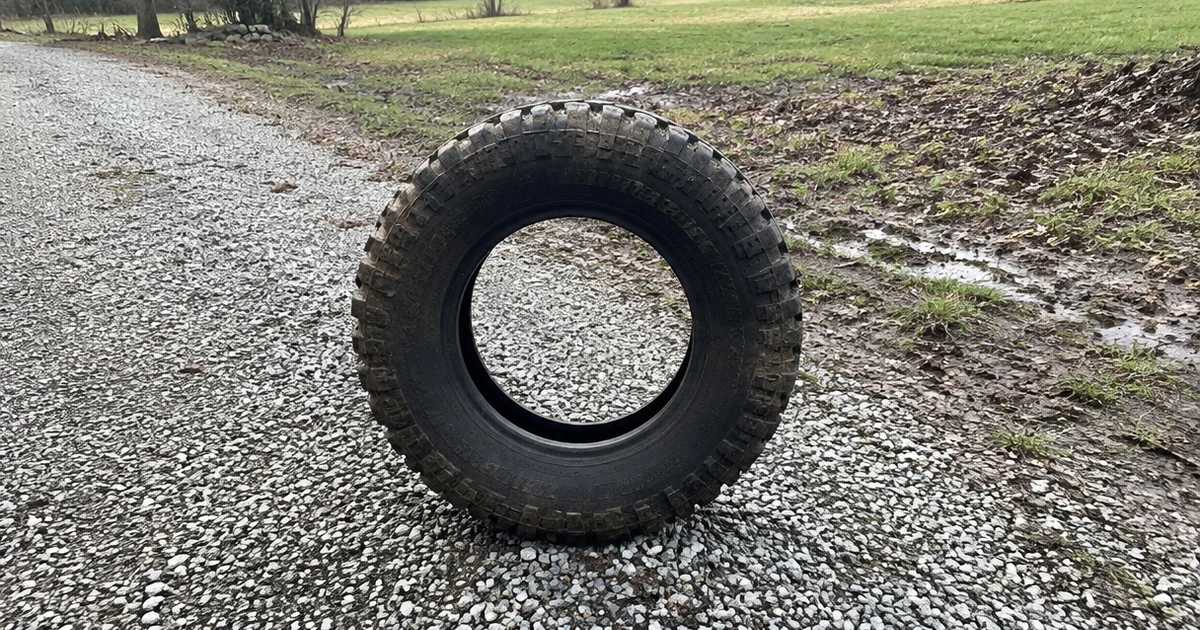
All-terrain tires balance pavement comfort with grip on loose surfaces, but each design makes different trade-offs. Start with your regular routes, then compare traction, fit, comfort, and expected wear.
Tread Design and Terrain
Start with where you spend most of your miles. A tighter, more closed tread pattern usually rolls and sounds better on pavement, while larger voids and open shoulders clear loose dirt and help the tire grip ruts. Deep, widely spaced lugs can help in mud, but they may feel less settled on wet pavement and wear faster if you commute often.
Look beyond an aggressive appearance. Check whether the center tread has connected rubber for stable steering and whether the shoulder blocks offer useful gravel grip.
A moderate pattern often suits mixed use better than a mud-focused tread. Occasional gravel needs less open tread than regular trips on muddy access roads.
| Tread style | Best fit | Main trade-off |
|---|---|---|
| Road-focused | Mostly paved routes | Less bite in deep mud |
| Balanced | Mixed pavement and dirt | Moderate noise and grip |
| Open, aggressive | Frequent rough or muddy roads | More road noise |
Wet and Winter Grip
Rain grip depends on more than tread depth. Wide grooves help move water away, while small slits in the tread add biting edges on wet or lightly snow-covered roads.
For regular winter driving, look for the three-peak mountain snowflake symbol. It means the tire passed a defined snow-traction test, while the M+S marking alone does not show the same level of snow testing.
That symbol does not make an all-terrain tire a dedicated winter tire. Ice braking and cold-weather grip still vary, so a winter tire makes more sense for long stretches of packed snow or ice.
For occasional snow, a severe-snow-rated all-terrain design may suit your needs. Keep tread depth healthy, since worn grooves and sipes shed water and snow less effectively.
Road Comfort and Noise
Think about how the tire will feel during an ordinary week. Large tread blocks and open gaps can create a steady hum, especially at highway speed.
A tightly packed tread often runs quieter, and a stable center section can make steering feel more direct. Your vehicle, suspension, inflation pressure, and road surface also affect noise, so tread design alone cannot promise a quiet ride.
Match the tread to your routine. If most miles happen on pavement, favor close-set blocks and strong center contact. If you often cross gravel or dirt, accept some extra sound for better loose-surface traction.
Keep all four tires matched and set cold pressure to the vehicle maker’s recommendation. Uneven wear or low pressure can make the ride louder.
Load Rating and Fit
Find the recommended size and ratings on the driver-door placard or in the owner’s manual. Match the load index and speed rating, then check whether your usual cargo or towing calls for a higher load range.
A stronger casing can suit frequent work use, but may ride more firmly. Tire weight also affects handling and fuel use.
Check these details before you buy:
- Original tire size or approved alternatives
- Load index and speed rating
- Load range for your usual payload
- Clearance at full steering lock and suspension travel
Use the vehicle maker’s cold-pressure target, not the sidewall’s maximum pressure rating. If you change tire size, ask a qualified tire shop to check clearance and speedometer effects. Never exceed the vehicle’s axle or tire load limits, even with a higher-rated tire.
Tread Life and Ownership Costs
Compare ownership cost over the miles you expect to drive, not by the initial bill alone. A mileage warranty can help you compare expected tread life, but read its terms.
Makers often require regular rotations, alignment checks, and service records. Some warranties exclude commercial use, off-road damage, or uneven wear caused by vehicle problems.
Look for a treadwear warranty that suits your use, then check how the maker handles prorated claims and what records you must keep. Rotate tires on the schedule in your owner’s manual, check pressure monthly, and fix alignment or suspension issues early. These habits can help tires wear evenly, but no warranty covers every road hazard or driving condition.
Frequently Asked Questions
Are budget all-terrain tires good for daily driving?
Many all-terrain tires handle daily pavement well, especially designs with tighter tread blocks. Expect more road sound and a firmer feel than a highway tire, depending on the tire and vehicle. If you spend nearly all your time on paved roads, compare ride comfort and wet braking before choosing.
How long do budget all-terrain tires last?
Tire life depends on tread design, driving habits, road conditions, pressure, and vehicle alignment. Check the mileage warranty as a guide, but treat it as a coverage term rather than a promise of exact service life. Regular pressure checks and rotations can help you get even wear from the tread.
Can I use all-terrain tires in snow?
Many all-terrain tires can handle occasional snow, but winter grip varies by design. Look for the three-peak mountain snowflake symbol if you drive in regular snow, and remember that it does not promise strong ice braking. For frequent travel on packed snow or ice, dedicated winter tires usually offer better cold-weather traction.
Do all-terrain tires reduce fuel economy?
They can. Many all-terrain designs weigh more and create more rolling resistance than highway tires, which may increase fuel use. The effect varies with the tire, vehicle, pressure, and tread. Keep tires properly inflated and choose a pattern suited to your driving to avoid carrying extra weight or tread you rarely need.
Should I replace all four tires at the same time?
Replacing all four helps keep handling and traction balanced, especially on vehicles with all-wheel drive. Check your owner’s manual before replacing fewer tires, since some drivetrains need similar tread depth across all wheels. If one tire gets damaged, ask a qualified tire shop whether repair or replacement suits the tire and vehicle.