
This post may contain affiliate links. As an Amazon Associate I earn from qualifying purchases. If you choose to make a purchase, I may earn a small commission at no extra cost to you.
Your Escalade’s size and weight put more work on its tires than a small crossover does. The right set can help you keep steering steady, braking predictable, and the cabin calm, but tire needs change with weather, towing, and road conditions.
Start with the fitment and load rating in your owner’s manual or door placard, then weigh comfort, grip, and tread life against your usual routes. This guide compares the best tires for Cadillac Escalade you can buy in 2026 across common driving needs, so you can narrow the choices to the traits that matter to you before you choose.
Our Top Tires for Cadillac Escalade Picks


More Details on Our Top Picks
Pros
- Long-wearing tread design for heavy SUVs
- Quiet highway ride
- Dependable wet-road traction
- MaxTouch Construction promotes even wear
Cons
- Less suited to repeated deep-snow travel
- Not intended for rugged off-road use
Long tread life and calm highway manners define the Michelin Defender LTX M/S2, an all-season highway tire for heavy pickups and full-size SUVs. Its tread compound and stable footprint handle an Escalade’s weight while keeping the ride quiet on family trips.
Michelin’s MaxTouch Construction spreads acceleration, braking, and cornering forces across the tread. That even contact helps the tire wear steadily over time, while the tread pattern gives you dependable grip on wet pavement.
On dry roads, the steering feels settled rather than sporty, which suits a large SUV’s relaxed highway pace. Grooves and tread edges channel water away from the contact patch, adding confidence when rain cuts visibility.
You get the everyday comfort expected from a road-focused tire without giving up useful traction in demanding conditions. The Michelin Defender LTX M/S2 balances its long-wearing design with a quiet ride, so the cabin stays pleasant on long drives.
Bottom line: Choose it for an Escalade that spends most of its time on highways and paved roads. It fits drivers who value long tread life and a quiet cabin.
Pros
- 70,000-mile treadwear warranty
- All-season road traction
- Highway-focused SUV design
- Smooth, composed daily handling
Cons
- Not suited to serious off-road driving
- Limited appeal for frequent deep-snow travel
If you use your Escalade for daily commutes and long highway trips, the Bridgestone Alenza Prestige keeps the focus on smooth, all-season road manners. Bridgestone positions the Alenza line for trucks and SUVs, and this model pairs that road-going purpose with a 70,000-mile treadwear warranty.
Its tread favors paved-road traction over an aggressive off-road pattern. You get an even, composed feel on routine drives, with an all-season design for changing weather through the year.
The tire’s V speed rating reflects its performance focus, though you are more likely to value its steady highway handling than high-speed capability in a large SUV. Its standard-load construction also places it in a different use case from tires made for especially heavy loads.
Bridgestone Alenza Prestige offers a straightforward blend of touring comfort and long treadwear coverage. The highway-oriented tread suits the kind of steady driving that makes up much of an Escalade’s everyday use.
Bottom line: Consider it for paved-road Escalade driving and a long treadwear warranty. It suits owners who want a touring-style tire with an all-season focus.
Pros
- TractionPlus Technology for grip and durability
- Quiet highway ride
- Strong wet-road braking
- Limited tread-life coverage up to 70,000 miles
Cons
- Road-focused tread is less suited to rough trails
- Not a dedicated winter tire
Continental built the TerrainContact H/T around a useful balance of wet-road grip and highway comfort. Its TractionPlus Technology improves traction and durability, so you can count on a composed feel during ordinary drives and changing weather.
The tread pattern channels water away from the contact area, and the tire delivers short braking distances on wet roads. That wet grip matters in a heavy SUV, where predictable braking can make a rainy commute feel less tense.
You also get a quiet ride for a highway-terrain tire, which helps keep long trips comfortable. Continental backs the model with limited tread-life coverage of up to 70,000 miles, a useful match for drivers who put steady mileage on their Escalade.
Continental TerrainContact H/T keeps its attention on paved roads rather than rough trails. Its year-round design works for daily errands and highway travel, while the tread construction gives you durable performance over time.
Bottom line: This tire suits Escalade drivers who spend most of their time on pavement and want a quiet ride. It also offers useful tread-life coverage for high-mileage driving.
Pros
- Severe-snow designation
- AquaTred grooves clear water and slush
- Evolving grooves maintain wet traction
- Comfort inserts reduce bumps and vibration
Cons
- Winter-focused tread may feel less sporty on dry roads
- Not intended for deep off-road use
Rain, slush, and winter roads call for tread that can clear water quickly, and the Goodyear Assurance WeatherReady 2 uses AquaTred Technology to do that job. Its sweeping grooves move water and slush away from the tread, while its severe-snow designation marks it for stronger winter traction than a basic all-season tire.
Evolving Traction Grooves keep opening paths for water as the tread wears. That feature helps preserve wet-road grip over the tire’s life, which gives you a more consistent feel across changing conditions.
Goodyear adds comfort inserts to soften bumps and reduce vibration through the cabin. A multi-pitch tread sequence varies the block sizes to keep road sound down, a welcome detail in a large SUV used for long trips.
The Assurance WeatherReady 2 balances its wet and snow traction with a touring-style ride. When you drive an Escalade through rain or occasional winter weather, its tread design gives you added control without an overly harsh feel.
Bottom line: Pick this Goodyear for an Escalade that faces regular rain and occasional snow. Its comfort features also suit drivers who spend plenty of time on highways.
Pros
- All-season highway design
- Suits paved-road SUV driving
- Road-focused tread for steady handling
- Practical choice for daily commuting
Cons
- Not suited to rough trails
- Limited focus on severe winter conditions
For everyday paved-road driving, the Bridgestone Alenza A/S 02 takes a straightforward highway approach. The Alenza line serves SUVs and trucks, and this all-season model gives you a road-focused tread for commutes, errands, and long stretches of freeway.
Its tread design favors steady contact on pavement rather than the open blocks you would want for loose trails. That makes the tire a natural fit for an Escalade that rarely leaves the road and spends much of its time at a steady cruising pace.
All-season tread brings year-round usefulness for ordinary weather, while the road-oriented design keeps the driving experience focused on predictable handling. You can expect the Alenza A/S 02 to feel at home on dry pavement and routine wet-road drives.
The Bridgestone Alenza A/S 02 is a simple, familiar SUV tire without a specialized off-road or winter focus. It makes sense for drivers who want an all-season highway tire and do not need a more aggressive tread.
Bottom line: Consider this Bridgestone for an Escalade that stays on paved roads through ordinary weather. Drivers who often face deep snow or rough terrain should choose a more specialized tread.
Pros
- Directional tread channels water
- Responsive paved-road handling
- All-season SUV performance design
- Sporty tread pattern
Cons
- Less capable on rough trails
- Not a dedicated snow tire
The Toyo Proxes ST III uses a directional tread with angled blocks, giving this SUV tire a more performance-minded look and feel. Its all-season design suits drivers who want responsive road manners from an Escalade rather than a tire built for trail work.
Wide grooves carry water through the tread, while the angled pattern helps the tire maintain grip on wet pavement. The design also gives you a more direct steering response during everyday turns and lane changes.
Toyo’s tread layout balances traction with highway comfort, so the tire can handle routine drives without a rough, off-road feel. Its sporty character comes through most on paved roads, where controlled handling matters more than loose-surface bite.
The Toyo Proxes ST III brings an SUV-oriented performance style to the all-season category. It works best on road-going Escalades that need confident pavement handling across changing weather.
Bottom line: Choose this Toyo for an Escalade that spends its time on pavement and benefits from a sportier feel. It suits drivers who value responsive handling over trail traction.
Pros
- Full-depth sipes retain winter biting edges
- Wide grooves evacuate water
- Variable Pitch Technology reduces road noise
- Center rib promotes quick steering response
Cons
- Not intended for serious off-road use
- Less specialized for deep snow than a winter tire
Wet-weather traction and a quiet cabin shape the Kumho Crugen HP71’s appeal for SUV touring. Its wide circumferential grooves move water away from the tread, while micro-serrations in the tread blocks add grip on wet roads.
Full-depth sipes and lateral voids clear slush from beneath the tire to maintain winter traction as the tread wears. That design gives you more useful cold-weather grip than a tread with shallow, short-lived biting edges.
A strong center rib sharpens steering response, and reinforced shoulder blocks encourage even wear. Kumho’s Variable Pitch Technology changes the tread-block sequence to reduce repeating road sounds, which helps keep the ride comfortable on longer drives.
The Kumho Crugen HP71 blends wet-road control with touring comfort for everyday SUV use. Its tread features give an Escalade a balanced road feel through rain, slush, and routine highway miles.
Bottom line: This Kumho suits Escalade drivers who want quiet touring manners and reliable wet-road traction. Its full-depth sipes also help if your routine includes occasional slushy roads.
Pros
- Quiet, comfortable highway ride
- Precise wet and dry handling
- Strong wet-road braking
- Limited tread-life coverage up to 65,000 miles
Cons
- Not designed for serious off-road use
- Less suited to deep snow
A quiet ride and confident wet braking give the General Grabber HTS60 a practical highway focus. General built this SUV tire to deliver precise steering and controlled handling on both wet and dry pavement.
Its durable construction stands up to regular road use and resists tread wear. General also offers limited tread-life coverage of up to 65,000 miles, giving you a clear ownership benefit for an Escalade that racks up highway mileage.
The tread design prioritizes paved-road traction over a deep, open pattern for mud or loose ground. That road focus helps keep noise down in the cabin, where a steady hum can become tiring during a long drive.
General Grabber HTS60 keeps its strengths centered on routine SUV use. You get responsive steering for everyday turns and useful braking grip when wet weather changes the road.
Bottom line: Choose the Grabber HTS60 for paved-road Escalade use and a quieter highway experience. Its wet braking and tread-life coverage fit drivers who cover regular miles.
Pros
- Rigid blocks promote towing stability
- 3D Canyon Sipe Technology adds tread edges
- Four grooves help clear water
- Highway all-season design
Cons
- Not suited to technical off-road trails
- Less focused on deep-snow traction
Hauling or towing puts extra demands on an SUV tire, and the Falken Wildpeak H/T02 uses rigid tread blocks to keep handling stable under load. Its highway all-season design gives you a steady feel on paved roads without the open, aggressive pattern of an off-road tire.
Falken’s 3D Canyon Sipe Technology adds biting edges to the tread for all-season handling. Four wide circumferential grooves channel water away to reduce the risk of hydroplaning and maintain contact on wet pavement.
The firm tread blocks help the tire track steadily when you tow, while the highway-focused pattern fits daily driving between trips. This balance makes the Wildpeak H/T02 useful for Escalade owners who ask their SUV to do more than commute.
Falken Wildpeak H/T02 puts stability and wet-road control ahead of rugged trail performance. Its design keeps the tire focused on paved travel, including drives with a trailer or added cargo.
Bottom line: This Falken fits an Escalade used for towing or hauling on paved roads. It also suits drivers who want all-season wet-road features in a highway tire.
Pros
- Large outer blocks improve dry cornering grip
- Variable-pitch tread reduces road noise
- Non-directional pattern allows cross rotation
- Performance-focused SUV design
Cons
- Less suited to rough off-road driving
- Dry-road focus offers limited winter specialization
Large outer tread blocks give the Nitto NT420V a firm footprint for cornering on dry pavement. Its asymmetric design gives the SUV tire a performance-oriented character that suits an Escalade used mainly on roads.
Nitto varies the tread-block pitch to reduce repeating road sounds, which helps quiet the cabin during highway travel. Its sipe and groove layout also works with the tread pattern to balance road noise and traction.
The non-directional design lets you rotate the tire across different positions, which can promote more even wear over time. That flexibility pairs with the broad outer blocks to give you a tire built for pavement handling rather than rough trail use.
Nitto NT420V combines SUV road manners with a distinctive performance tread. You get its clearest benefit on dry pavement, where the outer blocks help maintain grip through corners.
Bottom line: Choose the Nitto for an Escalade that spends most of its time on paved roads. It suits drivers who value dry cornering grip and a quieter highway ride.
Factors to Consider When Choosing Tires for Cadillac Escalade
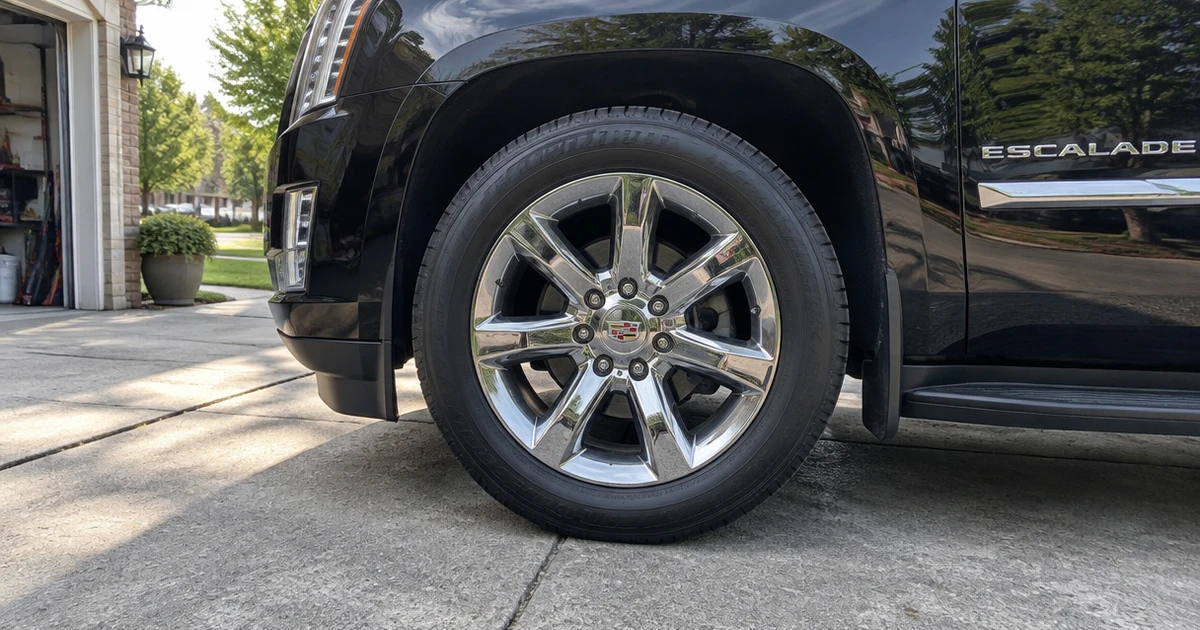
Your Escalade’s size, weight, and power put real demands on its tires. Start with the vehicle’s tire placard and owner’s manual, then match the tire’s load rating and construction to how you drive. A quiet highway tire may suit daily commutes, while snow, towing, or rough roads can call for a different tread design.
Fit and Load Capacity
Check the tire size, load index, and speed rating on the driver’s door placard or in the owner’s manual. Keep to that fitment unless the vehicle maker approves a change. The load index shows the weight each tire can carry at its rated pressure, so choose capacity for passengers and cargo, not just the Escalade’s empty weight.
If you tow, account for trailer tongue weight and cargo while staying within the vehicle’s axle and towing limits. A tire with a higher load index helps only when it fits the wheel and vehicle. Set pressure when tires are cold using the placard, not the maximum pressure molded into the sidewall.
Tread Type and Driving Routine
Choose a tread style around your normal routes, not the occasional trip. Highway and touring tires suit paved-road driving, while all-terrain patterns add bite on gravel and dirt but often make more noise and feel less settled on pavement. If nearly all your driving happens on roads, an aggressive tread can bring a trade-off you rarely need.
| Tire type | Best fit | Trade-off |
|---|---|---|
| Highway or touring | Daily paved roads | Less bite on loose ground |
| All-terrain | Gravel and dirt routes | More road noise |
| Winter | Frequent snow and cold | Seasonal tire changes |
Use this comparison as a starting point, then check that the tire still meets your vehicle’s fitment and load requirements. A tire’s category cannot make up for the wrong rating or a tread that does not match your weather.
Wet and Winter Traction
Rain grip depends on how a tire channels water and keeps rubber on the road. Look for open grooves that move water away and a tread design that supports wet braking; worn tread raises hydroplaning risk, so even a well-designed tire loses rain performance as it wears. Smooth, cautious driving matters too when standing water covers the road.
If you face regular snow, check for the three-peak mountain snowflake symbol, which identifies tires that meet a snow-traction standard. It does not mean the tire matches a dedicated winter tire on ice or in deep cold. For long, harsh winters, seasonal winter tires can give you more cold-weather grip; for occasional light snow, a capable all-season tire may be enough.
Ride Comfort and Steering
Cabin comfort matters in a large SUV, especially on long highway drives. Tread blocks with varied sizes and spacing can reduce repeating road noise, while a touring-focused design often favors a smoother ride. Read noise and comfort claims as clues, not guarantees: pavement texture, tire pressure, alignment, and worn suspension parts also affect what you hear and feel.
For a more direct steering response, look for an SUV-handling tire and check that its speed rating meets the vehicle requirement. Stiffer construction can feel more controlled through turns, but it may pass more bumps into the cabin. Match that balance to your routine rather than choosing a sporty tread just for appearance.
Towing, Wear, and Upkeep
If you tow or carry heavy loads often, prioritize a stable tread and adequate load capacity, then keep pressure at the vehicle maker’s recommended cold setting. Underinflation builds heat and can wear shoulders faster; overinflation can reduce the contact patch and make the ride harsher. Check pressure before long drives and after sharp weather changes.
Inspect the tread for uneven wear, cuts, or bulges, and rotate the tires on the schedule in the owner’s manual. Alignment problems can quickly spoil a new set, so correct pulling or uneven wear before replacing tires. Compare treadwear warranty terms as one ownership clue, but your results depend on roads, driving, care, and load.
Frequently Asked Questions
What type of tire works best for a Cadillac Escalade?
The best choice depends on your roads and weather. For mostly paved commuting, look for an all-season highway or touring tire with the required load rating. If you tow often, face heavy snow, or drive gravel roads, choose a tread and construction suited to that use while keeping the vehicle’s approved fitment.
When should you replace tires on a Cadillac Escalade?
Most tires need replacement when the tread reaches the legal wear limit, but you should replace them sooner if you see cracks, bulges, or damage. Check tread depth across the tire, since uneven wear can leave one area unsafe before the rest. Age, storage, heat, and use also affect tire condition.
What tire pressure should you use?
Use the cold tire pressure on the driver’s door placard or in the owner’s manual. Check pressure before driving or after the vehicle sits for several hours, since driving heats the tires and changes the reading. Do not use the maximum pressure molded into the sidewall as your everyday target.
Can you mix different tires on an Escalade?
Avoid mixing tire types or very different tread depths across an axle, and check the vehicle manual before changing a set. Different grip levels can affect steering and braking. On a four-wheel-drive or all-wheel-drive Escalade, uneven tire circumference can also strain the drivetrain, so replace tires as a matched set when the manual calls for it.
Do you need winter tires for an Escalade?
If you regularly drive on snow or ice, winter tires can give you more grip in cold weather than all-season tires. For occasional light snow and mostly clear roads, an all-season tire with a severe-snow rating may suit your needs. Choose based on your local conditions and the routes you drive.