
This post may contain affiliate links. As an Amazon Associate I earn from qualifying purchases. If you choose to make a purchase, I may earn a small commission at no extra cost to you.
All-terrain tires help your truck or SUV leave smooth pavement for gravel roads, campsites, and rough work routes. The trade-off can be a steady tread hum that follows you on every commute. If you spend hours on highways, that noise can wear on you, while a poorly matched tire may feel less settled when the surface gets rough.
A good choice balances quieter pavement manners with the grip you need off-road. Your driving mix, wet-weather needs, winter conditions, and vehicle load all matter. This guide to the best quietest all terrain tires you can buy in 2026 covers options for different roads and priorities, plus practical points to check before you choose.
Our Quietest All-Terrain Tires Picks




More Details on Our Top Picks
Pros
- Quiet ride for an all-terrain tire
- TractionPlus Technology balances grip and durability
- Confident wet-road traction
- 60,000-mile limited tread life warranty
Cons
- Not built for deep mud or demanding trails
TractionPlus Technology gives the Continental TerrainContact A/T a useful balance of road comfort and off-road grip. Its tread design handles wet pavement and packed dirt without the loud, rough feel you can get from a more aggressive all-terrain pattern.
That quieter character makes a difference on long highway stretches. The tread also gives you dependable traction in rain, while its sturdy construction suits the occasional gravel road or trail.
Continental covers this tire with a 60,000-mile limited tread life warranty. That coverage fits its focus on lasting daily use, rather than hard-core trail driving. The quiet road manners make it a practical pick for a truck or SUV that spends most of its time on pavement.
The TerrainContact A/T still gives you the extra grip you need for unpaved roads. Its balanced all-terrain tread keeps the drive composed while TractionPlus Technology adds durability and wet-road grip. You get a comfortable tire for everyday miles that can handle a change of surface without fuss.
Bottom line: Choose this tire for a quiet daily ride with the freedom to travel on gravel and moderate trails. It fits trucks and SUVs that see far more pavement than rough terrain.
Pros
- Road-focused all-terrain tread
- Suitable for everyday truck and SUV use
- Handles occasional gravel and firm dirt roads
Cons
- Limited grip in deep mud
Long pavement stretches feel less tiring with the Goodyear Wrangler Territory AT, a road-focused all-terrain tire for trucks and SUVs. Its tread gives you a more capable look and added bite on dirt roads without the heavily open pattern of a mud tire.
That milder layout suits everyday driving, where steady tracking and a calm cabin matter. You can take it onto gravel or firm trails when the route calls for it, while its all-season design serves routine trips in changing weather.
The Wrangler Territory AT works best when your off-road miles stay moderate. Its tread can handle common unpaved surfaces, but it does not have the deep, open lugs you would want for thick mud or loose, challenging ground.
For drivers who mostly commute or travel on highways, the road-oriented tread keeps the all-terrain look from taking over the drive. The everyday-focused design also makes it a sensible option for a truck that sees occasional dirt roads, rather than frequent technical trails.
Bottom line: Go with this tire if highway comfort matters more than serious trail ability. It suits drivers who want an all-terrain tread for occasional trips off pavement.
Pros
- Full-depth 3-D Locking Sipes
- Quiet ride and stable tread blocks
- All-season traction for rain and snow
- 60,000-mile warranty and 60-day satisfaction guarantee
On a daily commute, the BFGoodrich Trail-Terrain T/A feels more road-friendly than its rugged name suggests. Its optimized footprint and full-depth 3-D Locking Sipes keep tread blocks stable, which supports even wear and a quiet, comfortable ride.
Those sipes also create extra biting edges for grip in wet weather and light snow. BFGoodrich designed this tire for paved and unpaved roads, so it handles a gravel detour without making your regular drive feel like a trail run.
The tire carries a 60,000-mile warranty and a 60-day satisfaction guarantee. Its all-season tread works in rain and snow, while the locked tread blocks help the tire maintain a steady feel as the tread wears.
The full-depth sipe design gives the Trail-Terrain T/A a useful mix of road manners and all-season traction. You get a durable light-truck and SUV tire for varied routes, with a tread pattern that puts daily comfort high on the list.
Bottom line: This tire fits drivers who split their time between pavement and maintained dirt roads. Choose it for quiet daily travel with dependable grip in typical all-season conditions.
Pros
- 3-Peak Mountain Snowflake certified
- Water-clearing tread voids
- Full-depth interlocking 3D sipes
- Strong wet-road handling
Cons
- Shoulder tread can add road hum on pavement
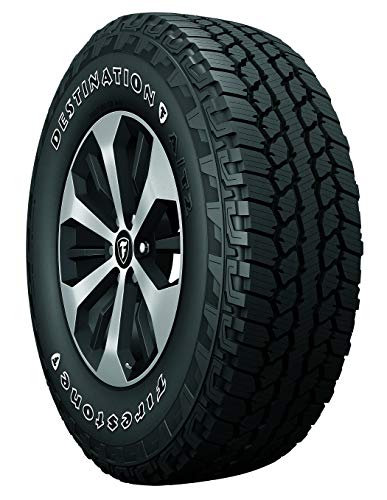
Wet-road control is a major strength of the Firestone Destination A/T2. Its tread voids move water away from the contact patch, while full-depth interlocking 3D sipes give the blocks extra edges for grip as the tread wears.
The shoulder tread has a more rugged shape for off-road handling. That gives you useful bite on dirt and gravel, and the tire’s 3-Peak Mountain Snowflake certification signals its ability to handle severe snow conditions.
Firestone built this tire for dependable use on and off the road, with a tread design that supports even wear and consistent performance. It is a sensible middle ground for trucks and SUVs that face rain and occasional rough ground, rather than deep mud.
The Destination A/T2 puts wet stopping and winter traction ahead of a highly aggressive tread look. Its water-clearing grooves and stable blocks help keep the drive composed on paved roads, while the shoulder pattern adds grip when the pavement ends.
Bottom line: Pick this tire for a truck or SUV that needs reliable wet-weather grip and severe-snow capability. It also suits drivers who take regular trips onto gravel or light trails.
Pros
- 3-Peak Mountain Snowflake certified
- Endurocore construction adds load-carrying strength
- Cut- and chip-resistant Enduro compound
- 60,000-mile warranty and 30-day satisfaction guarantee
Cons
- Deep mud can overwhelm its all-terrain tread
Yokohama built the Geolandar A/T G015 to handle changing weather without giving up everyday road comfort. Its Three-Peak Mountain Snowflake certification marks it for severe snow service, and the tread provides useful grip across winter roads as well as dry pavement.
The Endurocore construction adds strength for carrying loads, while Yokohama’s cut- and chip-resistant Enduro compound stands up to rougher gravel use. Those materials give the tire a durable feel for trucks and SUVs that move between paved routes and unpaved roads.
The Geolandar A/T G015 also has a 60,000-mile limited treadwear warranty and a 30-day satisfaction guarantee. Its all-terrain pattern gives you extra traction for snow and dirt, while remaining mild enough for regular highway driving.
This tire balances its winter rating with a practical road-going design. The durable Enduro compound and reinforced construction make it ready for more than clean pavement, and its all-season focus gives you room to drive through different conditions.
Bottom line: Consider the Geolandar A/T G015 if you drive through snowy winters and still want a comfortable tire for daily use. It also fits drivers who regularly cover gravel roads or carry heavier loads.
Pros
- Extended sidewall tread improves grip on uneven ground
- Interlocking blocks support wet and dry control
- Severe-snow designation
- Designed to resist cuts, cracks, and tears
Cons
- Less effective in deep mud than a mud-terrain tire
A tread pattern that reaches farther down the sidewall gives the Cooper Discoverer Road+Trail AT more grip on soft or uneven ground. The angled sidewall tread is thicker than the main tread, adding useful contact when you leave pavement for a rough track.
Interlocking tread blocks help maintain control on wet and dry surfaces. Connected center lugs add stability on snow, and the tire carries a severe-snow designation for winter use.
Cooper also designed the tread to wear evenly and resist cuts, cracks, and tears on tough trails. That construction pairs with a smoother, quieter ride for city driving, so the tire can move from daily roads to uneven ground without a sharp change in feel.
The Discoverer Road+Trail AT has a clearly practical design: sidewall tread for extra off-road bite and connected center lugs for snow traction. Its trail-ready construction brings durability to the mix while keeping road comfort in view.
Bottom line: Choose the Road+Trail AT if you want added sidewall grip for rough tracks and stable traction in snow. It works for drivers who still need a quiet ride around town.
Pros
- Designed to reduce road noise and vibration
- Resists gravel chipping and tearing
- Comfortable on-road handling
- Works for light off-road use
Cons
- Tread favors roads and gravel over deep mud
If your truck covers long stretches of pavement before reaching a gravel road, the Michelin LTX A/T2 keeps the drive focused on comfort. Michelin designed the tire to cut road noise and vibration, so its all-terrain tread does not dominate the cabin on everyday trips.
Its construction also resists chipping and tearing on gravel. That durability suits regular use on unpaved roads, while the tire maintains the on-road handling that matters during highway miles.
The LTX A/T2 favors a composed ride over an especially open, aggressive tread. You get practical all-season traction for light off-road travel, along with a quiet, steady feel on paved routes. It is built for drivers who want one tire to handle both kinds of roads without leaning too far toward trail use.
Michelin’s focus on reduced noise and vibration is the key appeal here. The LTX A/T2 brings gravel durability and everyday handling together in a traditional all-terrain design that feels at home on a working truck.
Bottom line: The Michelin LTX A/T2 suits truck owners who travel on pavement most days and take regular gravel routes. Choose it when cabin comfort matters as much as trail durability.
Pros
- Rugged tread for mixed road conditions
- Cut- and chip-resistant compound
- Suitable for truck and SUV use
- 50,000-mile tread life estimate
Cons
- Open tread can create more highway hum than a road tire
A rugged tread gives the Pirelli Scorpion All Terrain Plus the look and grip you want for mixed road use. Its block pattern adds traction on unpaved routes, while the tire remains suited to regular truck and SUV driving.
Pirelli uses a cut- and chip-resistant tread compound for durability on rough surfaces. Deep grooves and open channels clear loose material from the tread, giving it a more capable feel on dirt and gravel than a road-only design.
The Scorpion All Terrain Plus handles a broad mix of all-season driving. Its 50,000-mile tread life estimate gives you a useful reference for its intended road and trail role, though actual wear depends on your vehicle and driving conditions.
This tire’s rugged tread pattern makes it ready for more than a smooth commute, but it still serves as an everyday all-terrain option. You get extra grip on loose ground with a durable compound built to handle contact with gravel and debris.
Bottom line: Choose the Scorpion All Terrain Plus for a truck or SUV that sees both paved roads and regular dirt or gravel. It fits drivers who want a rugged tread without moving to a mud tire.
Pros
- Low road noise for an all-terrain tire
- Balances pavement handling and off-road traction
- Durable construction
- Up to 60,000-mile limited tread life coverage
Cons
- Not intended for deep mud or demanding trails
The General Grabber APT addresses a common all-terrain gripe: too much noise during everyday driving. Its tread balances off-road traction with a quiet, smooth road feel, giving you a more comfortable cabin on longer trips.
General built the tire with durable construction for rougher routes. Its tread grips on unpaved ground while keeping the handling predictable on pavement, so you can move from a highway commute to a gravel road without a major change in feel.
The Grabber APT has up to 60,000 miles of limited tread life coverage. That long-wearing focus pairs with its road-friendly tread design, making it useful for regular driving as well as occasional off-road travel.
You get a practical mix of low road noise and all-terrain traction here. The tire’s construction supports durability when you leave the pavement, while its calmer road manners make it easier to live with during daily miles.
Bottom line: The Grabber APT is a good fit for drivers who want all-terrain capability without giving up a quieter highway ride. It suits trucks and SUVs that make occasional trips onto unpaved roads.
Pros
- 3D Canyon Sipe Technology
- Increased tread depth for winter traction
- Designed for crossovers and smaller SUVs
- 65,000-mile limited tread life warranty
Cons
- Not designed for heavy trucks or severe off-road use
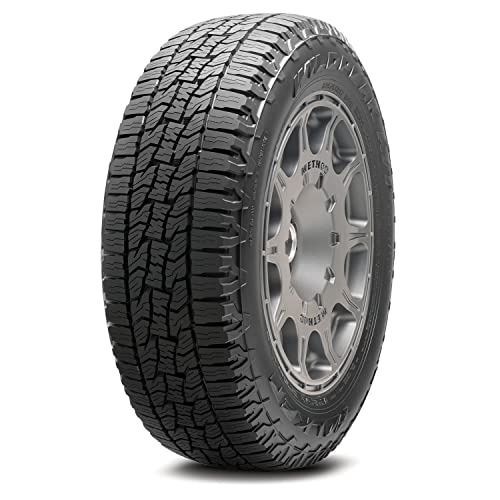
Falken built the Wildpeak A/T Trail for crossovers and smaller SUVs that need more than a standard road tire. Its 3D Canyon Sipe Technology creates extra biting edges in the tread, while increased tread depth adds grip for winter driving.
The tire brings all-terrain traction to a vehicle that may spend most of its time on pavement. Its tread handles dirt and gravel, and Falken’s design keeps daily road use in the picture rather than focusing only on rough trails.
Falken covers the Wildpeak A/T Trail with a 65,000-mile limited manufacturer tread life warranty. The tire’s winter-focused tread features add useful traction in snow, while its road-friendly purpose suits everyday trips in a crossover or smaller SUV.
The deeper tread and 3D sipes give the Wildpeak A/T Trail its edge in winter conditions. It adds trail ability without asking a smaller SUV to take on the bulky, aggressive feel of a heavy-duty off-road tire.
Bottom line: Choose the Wildpeak A/T Trail if you drive a crossover or smaller SUV and want better snow and gravel traction. It suits daily drivers who also take occasional trips off pavement.
Factors to Consider When Choosing Quietest All Terrain Tires
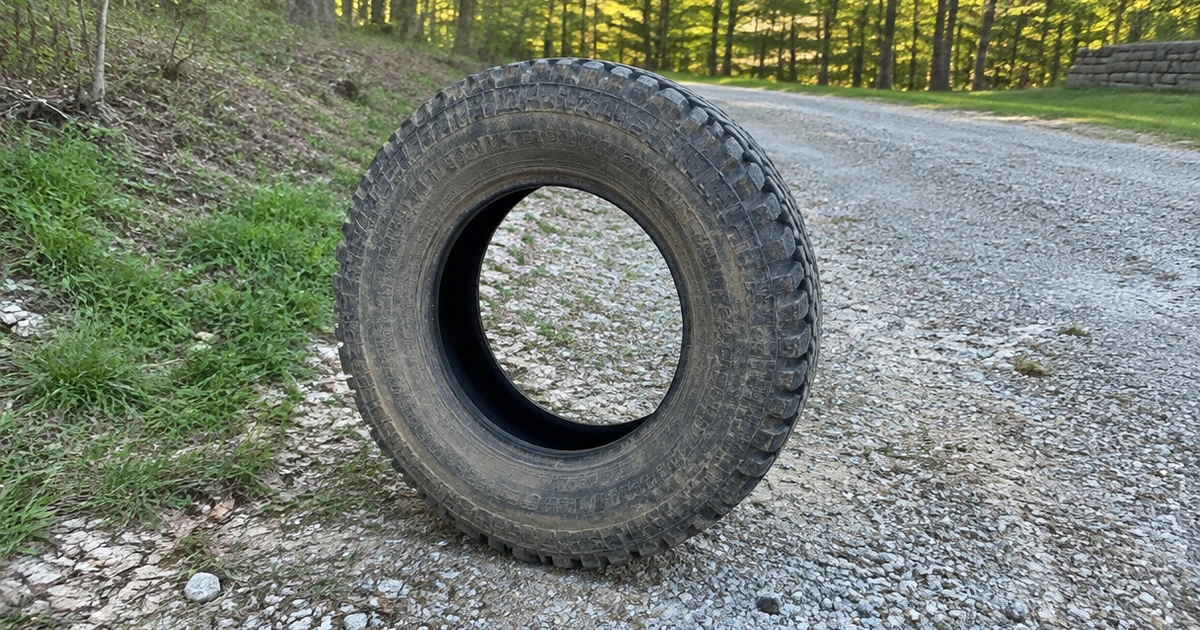
Cabin noise depends on the tire, your vehicle, and the roads you drive. Compare tread design, traction, fit, and upkeep before choosing a set.
Tread Design and Cabin Noise
Tire noise starts as tread blocks meet pavement and air moves through the grooves. A pattern with closely spaced blocks, a steady center section, and varied block shapes can soften the repeating hum. These features matter most on paved commutes, where a loud, regular tread pattern can become tiring on long drives.
Look for a road-focused pattern if you spend most of your time on pavement. Consider how much open space the tread leaves between its blocks. A more open design can help on loose surfaces, but it often creates more road noise.
- Choose a tighter center section for regular highway use.
- Look for open shoulder grooves if you often leave pavement.
- Skip deep, widely spaced lugs for mostly paved driving.
Match the Tire to Your Roads
Estimate how often you drive on pavement, gravel, dirt, or rough trails. If most trips involve pavement with an occasional gravel road, a mild all-terrain pattern usually makes more sense than a tread built for deep mud. You can gain a quieter ride without giving up the traction you need for light off-road use.
For frequent trail driving, look for stronger shoulder blocks and more open grooves that can clear loose dirt. Those features may add noise and feel less smooth on pavement. Choose based on the routes you drive most often, not on the toughest trail you might visit once a year.
Wet Roads and Winter Grip
Wet-weather confidence depends on tread grooves that move water away from the contact area and small cuts, called sipes, that help the tread grip slick surfaces. If rain is common where you drive, look for a pattern with useful channels across the tread and enough siping. Replace worn tires before their shallow grooves lose their ability to manage water.
For regular snow driving, check for the three-peak mountain snowflake symbol. It shows that the tire meets a defined snow-traction standard, but it does not make an all-terrain tire a dedicated winter tire. If you often drive on ice or packed snow, winter tires can provide better cold-weather grip.
Check Fit, Load, and Ride
Start with the tire size and load requirements in your owner’s manual or on the driver’s door placard. Then compare the load index and speed rating with your vehicle’s needs. A tire that cannot handle your vehicle’s weight or typical cargo can affect handling and safety.
Construction also shapes ride comfort. Use this table as a starting point, then follow your vehicle maker’s fit guidance.
| Type | Typical ride | Often suits |
|---|---|---|
| P-metric | Often more compliant | Daily driving with approved load capacity |
| LT | Often firmer | Heavy loads or frequent rough-road use |
Wear, Pressure, and Upkeep
Uneven wear can make a tire louder and reduce its grip. Check your tire pressure when the tires are cold, using the pressure on the door placard rather than the maximum printed on the sidewall.
Correct pressure supports handling and helps the tread wear evenly. Do not lower pressure just to quiet the ride.
Follow your vehicle maker’s rotation schedule, and check the tread for uneven wear during regular maintenance. Compare written mileage warranties, but read their terms carefully because use, rotation, and maintenance can affect coverage. If the tires develop a new hum or vibration, ask a tire shop to check balance, alignment, and wear.
Choosing Quiet All-Terrain Tires for Your Roads
For a balanced daily driver, the Continental TerrainContact A/T earns the Best Overall spot. Choose the Goodyear Wrangler Territory AT for highway comfort, the BFGoodrich Trail-Terrain T/A for mixed roads, the Firestone Destination A/T2 for wet control, or the Yokohama Geolandar A/T G015 for snowy routes.
The Cooper Discoverer Road+Trail AT fits trail durability, while the Michelin LTX A/T2 suits gravel roads. Pick the Pirelli Scorpion All Terrain Plus for rugged all-round use, the General Grabber APT for quiet highway miles, or the Falken Wildpeak A/T Trail for a CUV. Match your choice to the roads you drive most and the tire requirements in your owner’s manual.
Frequently Asked Questions
Are all-terrain tires louder than highway tires?
Usually, yes. All-terrain tread has larger grooves and more open space than a highway-focused pattern, which can create more sound on pavement. You can limit the noise by choosing a road-friendly tread and keeping the tires properly inflated. Your vehicle, tire size, and road surface also affect what you hear in the cabin.
Can all-terrain tires stay quiet as they wear?
They can, but uneven wear may increase noise as the tread gets older. Keep the tires at the pressure listed on your vehicle’s door placard and rotate them on schedule. If you hear a new hum or feel a vibration, have a tire shop check the balance, alignment, and tread wear.
Do all-terrain tires work well in snow?
Some handle snow better than others. Look for the three-peak mountain snowflake symbol if you regularly drive in winter weather. It signals that the tire meets a snow-traction standard, though it does not match the cold-weather grip of a dedicated winter tire. Ice and packed snow call for extra care and slower driving.
Can tire pressure make all-terrain tires quieter?
Correct pressure can support even wear and stable handling, but lowering pressure does not make a safe way to reduce road noise. Use the cold pressure on your vehicle’s door placard, not the maximum on the tire sidewall. Check pressure regularly, since temperature changes can affect it.
How often should you rotate all-terrain tires?
Follow the rotation schedule in your owner’s manual, since the right interval and pattern can vary by vehicle and tire setup. Regular rotation helps the tread wear more evenly, which can help limit noise over time. Check your tires for uneven wear whenever you inspect their pressure or have routine service.