
This post may contain affiliate links. As an Amazon Associate I earn from qualifying purchases. If you choose to make a purchase, I may earn a small commission at no extra cost to you.
Your 7 Series can feel quiet and composed on one set of tires, then harsh or unsure on another. You must balance comfort, wet grip, winter traction, and steering response while matching the car’s exact fitment. A tire for commuting may not suit mountain snow or spirited driving.
Start with the tire size and load and speed ratings on your door placard or owner’s manual, then match the tire type to your weather and driving habits. The best tires for BMW 7 Series you can buy in 2026 should also fit your run-flat needs and comfort priorities. The options below cover different climates, driving styles, and ownership preferences, so you can narrow the field around how you use your car.
Our Top Tires for BMW 7 Series Picks


More Details on Our Top Picks
Pros
- Quiet tread design supports a calmer cabin
- Comfort Control Technology focuses on ride refinement
- All-season tread suits varied conditions
- Precise handling fits luxury touring
Cons
- SUV-oriented fitment limits use on some 7 Series setups
- Less focused on sporty driving than summer tires
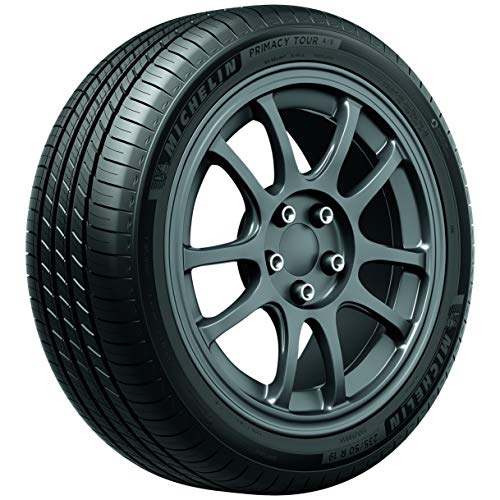
Quiet tread design and Comfort Control Technology give the Michelin Primacy Tour A/S its luxury touring character. The design keeps road noise low while supporting the smooth, settled ride you want in a BMW 7 Series.
Michelin also tunes this tire for precise handling, so your steering feels composed on daily drives and long highway trips. Its all-season tread suits changing weather, while the touring focus keeps comfort ahead of sharp, track-style responses.
For your 7 Series, the Primacy Tour A/S brings a calm feel to the road without giving up confident control. The quiet ride is its main draw, and its precision-focused handling makes it easier to guide a large luxury sedan through curves. Its SUV-oriented fitment can limit its use on some 7 Series setups.
Bottom line: Consider it for a compatible 7 Series setup if comfort and low road noise matter most to you.
Pros
- Wet braking focus suits rainy commutes
- Tread pattern supports sporty handling
- Compound offers grip in light snow
- Built-in wear gauge tracks tread use
- 45,000-mile limited tread life warranty
Cons
- Light-snow traction does not replace a winter tire
Rain can make a powerful sedan feel less settled, so the Goodyear Eagle F1 All Season puts wet braking near the center of its design. Its sporty tread pattern and durable compound bring year-round grip, including traction in light snow.
On wet roads, that braking focus gives you a more reassuring feel as traffic slows. The tread also includes a wear gauge, which lets you track how much usable tread remains. A 45,000-mile limited tread life warranty adds a useful ownership benefit.
The Eagle F1 All Season brings a sportier character to your BMW 7 Series than a comfort-first touring tire. Its wet-road braking is the standout, while the tread pattern keeps steering response lively in everyday driving. You still get a tire built for multiple seasons, not a dedicated winter setup.
Bottom line: Choose it for a 7 Series you drive year-round, especially if wet-road control matters to you.
Pros
- Three-Peak Mountain Snowflake certified
- V-shaped tread manages wet roads
- Thermal-adaptive compound suits changing temperatures
- Designed to retain braking performance as it wears
Cons
- SUV-oriented fitment limits use on many 7 Series setups
The V-shaped tread and Three-Peak Mountain Snowflake rating set the Michelin CrossClimate2 apart from basic all-season designs. That snow certification reflects its ability to handle winter conditions, while the tread still serves you on dry and wet roads.
Michelin uses a thermal-adaptive tread compound to maintain grip as temperatures change. The tread channels water away from the contact area, and its design keeps braking performance in view as the tire wears. That gives you a useful blend of seasonal traction for a 7 Series driven through changing weather.
The CrossClimate2 feels more winter-capable than a typical touring all-season tire, especially when cold weather brings slush or light snow. Its 3PMSF certification and directional tread design are central to its appeal. Michelin positions it as a durable year-round option, though its SUV-oriented fitment limits relevance to many 7 Series setups.
Bottom line: It suits you if winter traction is a priority and the tire fits your 7 Series configuration.
Pros
- Sport-focused handling for spirited drives
- All-season design broadens its use
- Chevrolet selected it for the Corvette
- Responsive feel through turns
Cons
- Ride comfort takes a back seat to handling
- Not intended for severe winter conditions
For drivers who want their 7 Series to feel more responsive, the Michelin Pilot Sport All Season 4 brings a performance-tire approach to year-round driving. Chevrolet chose it as the first all-season tire for the Corvette, a sign of the line’s sporty focus.
The tire balances steering response and grip with the flexibility you need for changing seasons. Its performance-oriented design gives you more direct feedback through turns than a comfort-led touring tire, while its all-season construction broadens its use beyond warm, dry roads.
On a BMW 7 Series, that sharper feel can make back roads more engaging without giving up the convenience of one tire for multiple seasons. Michelin’s sport-focused design gives this model a clear identity, and its all-season capability suits drivers who do not want a summer-only tire. It favors handling over a soft, quiet ride.
Bottom line: Choose this tire if you want more steering response from your 7 Series and need all-season use.
Pros
- Variable tread pitch helps reduce cabin noise
- Outer-block siping supports cornering control
- Circumferential grooves channel water
- Inner-block sipes add light-snow traction
Cons
- Advanced run-flat and noise-control features vary by version
Pirelli gives the P Zero All Season a careful tread layout that balances cornering grip with cabin comfort. Its variable-pitch tread elements help limit the repeating noise that can wear on you during long drives in a quiet BMW 7 Series.
The outer tread blocks use lateral siping to aid cornering control, while inner-block winter sipes add grip in light snow. Circumferential grooves move water through the tread to reduce the risk of hydroplaning on wet roads. Together, these features give you a performance-minded all-season tire for changing conditions.
The P Zero All Season keeps a useful mix of road manners and handling. Its noise-conscious tread pitch helps preserve a more relaxed cabin, while the siped tread gives you added wet-weather and light-winter traction. Select versions of the line also offer run-flat, noise-canceling, or puncture-sealing technology.
Bottom line: This P Zero suits you if you want an all-season performance tire with a quieter touring feel.
Pros
- Bi-Compound tread balances wet and dry grip
- Dynamic Response Technology sharpens steering feel
- Strong cornering control at speed
- Racing-derived design
Cons
- Summer tire lacks snow traction
- Cold-weather use limits its grip
Michelin’s Bi-Compound tread gives the Pilot Sport 4S its strong dry grip and wet braking. The tread uses different rubber compounds across its inner and outer areas to balance wet-road traction with cornering control.
The Pilot Sport 4S draws on Michelin’s endurance-racing experience and uses Dynamic Response Technology to keep steering input direct. That combination gives you confident handling at speed and a planted feel through fast corners. Automakers such as Mercedes-AMG, Ferrari, and Porsche have also chosen the tire for performance vehicles.
A BMW 7 Series can feel more precise with this summer tire, especially on warm roads. Its dry grip and wet braking suit drivers who value sharp responses, but its summer-focused compound does not suit snow or freezing conditions. You get a tire built around performance rather than year-round flexibility.
Bottom line: Pick it for a 7 Series driven mainly in warm weather, where precise handling matters more than winter versatility.
Pros
- Asymmetric tread supports quick turn-in
- Flexible compound grips wet roads
- Dry-road contact supports stability
- Lightweight build and quiet tread design
Cons
- Sporty tuning may feel firm on rough roads
An asymmetric tread pattern gives the Goodyear Eagle F1 Asymmetric 6 its quick response through turns. The design supports stable contact on dry pavement, while its flexible tread compound adjusts to wet road surfaces for added grip.
That mix suits a BMW 7 Series driver who wants a more alert feel from the steering. The tire pairs responsive cornering with a tread pattern designed to keep road noise down. Its lightweight construction also reflects a focus on a less cumbersome performance setup.
You get a tire that feels composed on dry roads and more assured when rain covers the pavement. The asymmetric tread and flexible wet-grip compound shape its road manners, while the quieter tread helps keep the cabin pleasant on longer trips. Its sporty nature puts handling ahead of a plush touring feel.
Bottom line: This Goodyear suits you if you want precise steering and confident wet-road grip in a 7 Series.
Pros
- Run-flat design supports mobility after pressure loss
- All-season tread for varied weather
- 65,000-mile treadwear warranty
- Reinforced sidewalls suit high-performance driving
Cons
- Firm sidewalls can transmit sharp bumps
A puncture does not have to end your drive right away with the Bridgestone DriveGuard Plus. Its run-flat construction uses reinforced sidewalls to support the tire after pressure loss, giving you added mobility when a puncture occurs.
The all-season tread makes it useful for daily driving, while its high-performance design fits a powerful sedan like the BMW 7 Series. Bridgestone backs it with a 65,000-mile treadwear warranty, adding a clear longevity benefit. The tire combines this touring role with the extra-load construction many large sedans call for.
DriveGuard Plus gives you the reassurance of run-flat capability without limiting you to a summer tire. Its reinforced sidewalls and all-season traction make it a practical choice for drivers who value continued mobility and year-round use. The firm sidewalls can make the ride less forgiving over sharp bumps.
Bottom line: Consider DriveGuard Plus if run-flat capability is a priority for your 7 Series.
Pros
- 4D Advanced Nano Technology supports flexible rubber
- Interlocking sipes aid wet and light-snow grip
- Tread grooves move water away
- 50,000-mile limited tread life warranty
Cons
- Light-winter traction falls short of a dedicated winter tire
Falken’s 4D Nano technology shapes the compound in the Azenis FK460 A/S to stay flexible across changing temperatures. That flexibility supports year-round traction, while the tire’s interlocking sipes add grip for wet roads and light winter weather.
A high-grip chamfer in the tread helps the tire respond to steering input on dry roads. Emerging grooves move water out of the contact area, which helps maintain wet grip as the tread wears. Those details give you a performance all-season tire that can handle varied conditions in a BMW 7 Series.
The Azenis FK460 A/S also carries a 50,000-mile limited tread life warranty. Its 4D Advanced Nano Technology and wear-conscious water grooves make it a practical fit for drivers who want performance without giving up a longer-lasting tread. Interlocking sipes help it hold its line when wet roads replace dry pavement.
Bottom line: The Falken fits you if you want all-season grip, steering response, and a long tread life warranty.
Factors to Consider When Choosing Tires for BMW 7 Series
Start with your vehicle’s required fitment, then weigh the weather you drive in and the ride you want. The right choice needs to support the car’s weight and suit your roads, not just match a tire category on the sidewall.
Fitment and Ratings
Read the tire size on the driver-door placard or in the owner’s manual, then confirm that it matches your exact model year and trim. Some versions use different front and rear sizes, so you may not rotate tires between axles or fit the same size at all four corners. Check any approved alternate size before shopping.
The load index tells you how much weight a tire can carry, and the speed rating reflects its capability under specified conditions. Match or exceed the required ratings, including any XL or reinforced marking. Keep the wheel setup in mind, and ask a qualified tire shop to confirm clearance before you order.
Climate and Tire Type
Your local weather should drive the tire category. All-season tires give you one set for varied conditions and work well in mild winters, but they cannot match a winter tire on packed snow or ice. If temperatures often stay near freezing and snow lasts, a dedicated winter set adds cold-weather grip.
Summer tires favor warm-weather braking and cornering, but their rubber loses grip in cold conditions. Do not treat an all-season label as a promise of safe travel on every icy road.
Use this guide as a starting point, then weigh your routes and whether you can store a second set. Seasonal tires work best when you swap them before conditions change.
| Tire type | Best fit | Main trade-off |
|---|---|---|
| All-season | Mild weather and varied use | Less winter grip on ice and deep snow |
| Winter | Cold weather and regular snow | Needs a seasonal change in warm months |
| Summer | Warm weather and responsive handling | Grip drops in cold conditions |
Run-Flat or Conventional
Check whether your car came with run-flat tires and whether you want to keep that setup. Run-flat sidewalls can support the vehicle for a limited distance after pressure loss, which can help you reach a safe repair spot when you lack a spare. You still need to follow the tire maker’s speed and distance limits and check pressure promptly.
Conventional tires often give you more choice and can deliver a softer ride, but you need a plan for a flat, such as a spare or roadside help. Do not mix run-flat and conventional tires casually. Keep the same type on each axle, and ask a shop about approved combinations for your vehicle.
Ride Comfort and Handling
A quiet cabin makes tire noise easy to notice, especially on coarse pavement. Look for touring-focused designs and tread patterns that aim to reduce repeating road tones if you value relaxed highway trips. Tread blocks and grooves also affect wet grip, while a stiffer sidewall can sharpen steering but pass more bumps into the cabin.
Think about how you drive before choosing a performance-focused tire. A softer touring tire can suit long commutes and comfort-first owners, while a summer or sport all-season tire may respond more directly through turns.
Reviews and labels can help you compare, but your road surface and pressures shape the sound you hear. Keep pressures at the placard value.
Tread Life and Upkeep
Compare treadwear warranties and ratings, but treat them as guides rather than promises. The treadwear number on a U.S.
UTQG label helps you compare tires within a maker’s line; it does not give a reliable mileage forecast across different makers. A warranty may also require proof of rotations and proper care.
Your driving habits matter just as much. Hard starts, sharp turns, low pressure, and poor alignment can wear tread early.
Check pressure monthly and before long trips, rotate tires on the schedule your vehicle allows, and ask for an alignment check if the steering pulls or the tread wears unevenly. Pick longer tread life only if grip, ride, and fit still meet your needs.
Frequently Asked Questions
What tire size fits a BMW 7 Series?
Read the tire size on the driver-door placard or in your owner’s manual, then match it to your model year and trim. Check the front and rear sizes separately, since some cars use a staggered setup. Keep the required load index and speed rating, and confirm any alternate size with a tire shop.
Do I need run-flat tires?
Use the tire type your vehicle requires or approves. Run-flat tires can help you reach a safe place after a puncture, but they still have distance and speed limits after pressure loss. Conventional tires may offer a softer ride, but you need a spare, repair kit, or roadside assistance plan.
Are all-season tires safe for winter driving?
All-season tires can handle light snow and mild winter weather, but they do not grip as well as winter tires on ice or packed snow. If your area gets long, cold winters or frequent storms, use dedicated winter tires. Check local conditions and avoid driving when roads exceed your tires’ limits.
Should I replace all four tires at once?
Replacing all four at once helps keep grip balanced, especially if your car has all-wheel drive. If you replace only two, fit the new pair on the rear axle and match the tire type and size. Check your owner’s manual for tread-depth limits, since a large difference can affect handling and drivetrain parts.
How often should I check my tires?
Check tire pressure monthly and before long trips, using the pressure on the door placard rather than the number on the tire sidewall. Inspect tread and sidewalls for uneven wear, cuts, or bulges. Replace tires before worn tread harms wet grip, and ask a shop to check alignment if wear looks uneven.