
This post may contain affiliate links. As an Amazon Associate I earn from qualifying purchases. If you choose to make a purchase, I may earn a small commission at no extra cost to you.
Your Tundra can haul a load on Monday, commute all week, then head down a muddy access road on Saturday. That range makes tire shopping tricky: a quiet highway tire may not grip well on loose ground, while an aggressive tread can add road noise and wear faster on pavement.
Start with your usual routes, towing needs, local weather, and the truck’s original tire size and load rating. The best tires for Toyota Tundra you can buy in 2026 should fit your use without compromising the truck’s limits. The options below cover daily driving, hauling, winter roads, and tougher trails, so you can focus on the trade-offs that matter to you.
Our Top Toyota Tundra Tires Picks



More Details on Our Top Picks
Pros
- Long-wearing tread compound
- Quiet, comfortable highway ride
- Stable handling in wet conditions
- Built for full-size pickups and SUVs
Cons
- Limited grip in deep mud
- Less suited to rocky off-road trails
A quiet, road-focused tread makes the Michelin Defender LTX M/S2 a practical match for a Tundra that spends most of its time on pavement. Michelin tuned this all-season tire for modern pickups and full-size SUVs, with long tread life and a comfortable ride as key strengths.
The tread compound is built to resist wear through regular use, while MaxTouch Construction spreads acceleration, braking, and cornering forces across the tread. That even contact helps you get more consistent wear over time.
Michelin also uses a computer-optimized tread design to control road noise. On daily drives, that means you can enjoy a calmer cabin without giving up the dependable grip you need on wet roads.
The Defender LTX M/S2 suits highway travel and everyday truck use better than muddy trails. Its tread channels move water away from the contact area, and its broad footprint gives you steady handling in changing road conditions.
Michelin’s reputation for long-lasting highway tires fits this model well. If you want a quiet ride and durable tread for regular Tundra duty, the M/S2 delivers those traits without an aggressive off-road pattern.
Bottom line: Choose the Michelin Defender LTX M/S2 for a Tundra used mainly on paved roads, especially if you value comfort and tread life.
Pros
- CoreGard Technology reinforces the sidewalls
- Mud-phobic bars clear packed mud
- Tread compound targets gravel wear
- 50,000-mile limited treadwear warranty
Cons
- Aggressive tread can create more road noise
- Firm ride on smooth pavement
Gravel and sharp trail debris put sidewalls at risk, and the BFGoodrich All-Terrain T/A KO3 answers with CoreGard Technology. This reinforced sidewall design grew from BFGoodrich’s off-road racing experience and resists cuts and punctures on rough ground.
The KO3 also brings an updated all-terrain tread pattern and compound. Those changes target wear on gravel, where loose stones can quickly rough up a tire, while the tread blocks keep a steady grip on mixed surfaces.
For muddy or snowy sections, the serrated shoulder design adds extra biting edges. Mud-phobic bars clear packed mud from the tread, helping the tire keep contact with the ground instead of turning into a slick surface.
On a Tundra, the KO3 fits drivers who regularly leave pavement for trails, gravel roads, or work sites. You still get a tire made for road use, but its reinforced sidewalls and mud-clearing tread put more focus on rough terrain than a highway pattern does.
BFGoodrich backs the KO3 with a 50,000-mile limited treadwear warranty and a six-year standard limited warranty. Those terms add useful coverage for a tire built to face demanding conditions.
Bottom line: Get the KO3 if your Tundra sees frequent gravel, mud, or rough trails and you want added sidewall protection.
Pros
- Severe-snow-service rating
- Deep tread for mixed terrain
- Durable sidewall construction
- Handles hot and cold conditions
Cons
- Tread can sound coarse on some pavement
- Less specialized for deep mud
The Wildpeak line has a reputation for pairing trail-ready tread with everyday road manners, and the Falken Wildpeak A/T4W continues that approach. Its all-terrain tread and all-weather design give your Tundra useful grip across gravel, dirt, and changing road conditions.
Falken uses deep tread blocks and sturdy sidewall construction to handle rough surfaces and resist wear. The tread pattern gives the tire open space to clear loose material, while its blocks provide a stable contact patch on paved roads.
The A/T4W carries the Three-Peak Mountain Snowflake symbol, which marks it for severe snow service. That rating makes it a more capable winter option than a basic all-season tire, though it does not turn the tire into a dedicated snow design.
On a Tundra, the A/T4W can handle daily highway miles before you reach an unpaved route. Its balanced design also suits drivers who face hot summers and snowy winters, rather than one steady climate.
The deep tread and snow-rated performance make this Falken useful for mixed seasons and surfaces. Its road manners stay composed for an all-terrain tire, while its sidewalls add confidence when your route gets rough.
Bottom line: Consider the A/T4W if your Tundra needs one tire for year-round road travel, winter weather, and occasional off-road use.
Pros
- Three-Peak Mountain Snowflake rating
- Sipes add wet and snow grip
- Stone ejectors clear lodged rocks
- Staggered shoulders bite into loose ground
Cons
- Tread can hum on smooth highways
- Not built for deep mud
Open shoulder blocks and deep sipes give the Toyo Open Country A/T III its mix of trail bite and road grip. The tread pattern lets the tire work across gravel and dirt, while channels help move water away on wet pavement.
Toyo’s 3D multi-wave sipes create extra biting edges across the tread blocks. They add traction in rain and snow, and the Three-Peak Mountain Snowflake symbol shows that the tire meets severe snow service standards.
The A/T III also uses staggered shoulder lugs to improve grip when the tire encounters loose ground. Stone ejectors help push trapped rocks from the tread, which reduces the chance of stones working into the rubber during gravel travel.
On a Tundra, this design works for drivers who split time between highways and unpaved roads. The tread stays composed on pavement, while its open pattern gives you more traction when the surface turns rough.
The snow-rated tread and stone-clearing details give the Open Country A/T III a useful range for changing conditions. It brings practical all-terrain grip without requiring a full mud-terrain pattern.
Bottom line: The Open Country A/T III suits Tundra owners who travel in winter weather and still want a tire for gravel or dirt roads.
Pros
- Tread suits pavement and light gravel
- All-season design for varied weather
- Less aggressive pattern for daily driving
- Made for truck and SUV use
Cons
- Limited traction in deep mud
- Not intended for demanding rocky trails
For a Tundra that mostly stays on the road but sometimes travels over dirt or gravel, the Goodyear Wrangler Territory AT offers a mild all-terrain tread. Its block-based pattern gives you more bite on loose ground than a smooth highway design, while keeping the tire suited to regular driving.
The tread’s grooves help clear water and loose debris from under the tire. Its connected blocks also give the tire a steady feel on paved roads, making it a sensible fit for daily trips and longer highway drives.
Goodyear’s Wrangler line serves pickup and SUV drivers who need tires for varied routes. The Territory AT carries that all-purpose focus, with an all-season design that can handle ordinary changes in weather without making the tread look like a dedicated mud tire.
In real use, the Territory AT fits light gravel roads, work sites, and routine pavement travel. It gives your Tundra some added traction when the pavement ends, while keeping its focus on mixed driving rather than hard-core trail work.
The mild all-terrain tread makes this Goodyear easy to live with for drivers who only leave the road now and then. It offers a practical balance for everyday truck use without a highly aggressive pattern.
Bottom line: The Wrangler Territory AT fits a Tundra that sees mostly pavement, with occasional gravel roads or light off-road routes.
Pros
- TractionPlus Technology
- Strong wet-road braking
- Quiet ride on pavement
- Up to 70,000 miles of treadwear coverage
Cons
- Limited grip on muddy trails
- Less suited to frequent rocky off-road use
Wet-road braking is a key strength of the Continental TerrainContact H/T. Its TractionPlus Technology combines grip and durability, giving your Tundra a road-focused tire for year-round driving.
Continental designed this highway-terrain tire to deliver steady handling and shorter braking distances on wet pavement. The tread pattern also controls road noise, which keeps long highway trips more comfortable for you and your passengers.
The TerrainContact H/T has a sturdy build for light-truck use, with a design that favors paved roads over loose trails. Its tread channels help manage water, while the road-oriented blocks give you predictable handling during everyday driving.
Continental offers up to 70,000 miles of limited treadwear coverage for the line. That warranty fits the tire’s focus on long road service, especially if you put regular miles on your Tundra.
The wet-road grip and quiet tread make the TerrainContact H/T a useful option for highway travel. It gives you a comfortable ride and dependable road manners without the extra tread features of a trail-focused tire.
Bottom line: Choose the TerrainContact H/T if you use your Tundra mainly on paved roads and want comfort with capable wet-weather handling.
Goodyear Wrangler DuraTrac RT

Pros
- DuPont Kevlar helps resist tread damage
- Three-ply sidewall resists cuts and punctures
- Biting tread edges improve snow grip
- 50,000-mile limited tread life warranty
Cons
- Aggressive tread creates more road hum
- Less comfortable on smooth pavement
DuPont Kevlar adds strength under the tread of the Goodyear Wrangler DuraTrac RT, helping it resist damage on rough routes. A three-ply sidewall and Goodyear’s Durawall compound also guard against cuts, scrapes, and punctures.
The DuraTrac RT uses a rugged tread pattern with many biting edges for snow grip. Its shoulder blocks give you added traction on loose ground, while the tread can clear debris as you move through off-road conditions.
That construction fits a Tundra that visits work sites, back roads, or trails with sharp rocks. The tire still handles pavement, but its tougher build gives you more confidence when the route gets rough.
Goodyear backs this all-season model with a 50,000-mile limited tread life warranty. The combination of Kevlar reinforcement and a tough sidewall makes the DuraTrac RT a capable choice for truck owners who put their tires through hard use.
Its snow-focused tread also adds useful traction when winter brings packed or loose snow. On-road, the aggressive blocks give the tire a more rugged feel than a highway tread.
Bottom line: The DuraTrac RT is a fit for your Tundra if you drive rough trails or work routes and need added protection from tire damage.
Pros
- Reinforced block foundation limits tread flex
- Stone ejectors clear lodged debris
- Staggered shoulders improve off-road grip
- Variable-pitch blocks help manage road sound
Cons
- Tread noise remains noticeable on pavement
- Less refined than a highway tire
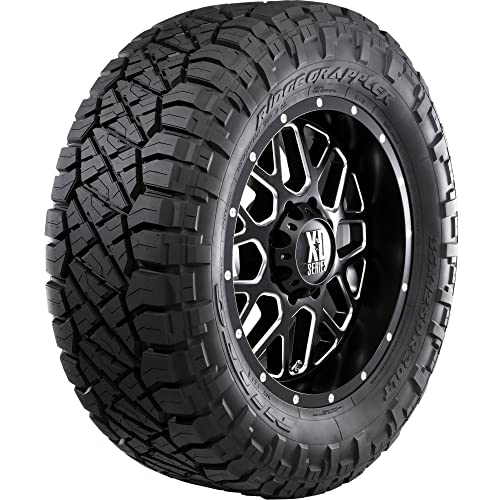
The Nitto Ridge Grappler blends an all-terrain tread with a more aggressive mud-terrain look. Its staggered shoulder lugs add bite on loose surfaces, giving your Tundra more traction when a dirt track gets rutted or uneven.
Nitto reinforces the tread block foundations to limit flex under load. That helps the blocks stay firm as the tire rolls over rough ground, while stone ejectors push debris out of the tread grooves.
The Ridge Grappler also uses variable-pitch tread blocks to manage sound as they meet the road. That design keeps the tire more civil on pavement than its rugged appearance might suggest, though you can still hear the tread on some surfaces.
Nitto offers two different sidewall designs across the Ridge Grappler line, so you can choose a look that suits your truck. The reinforced tread blocks and staggered shoulders give it a clear off-road focus without making it a dedicated mud tire.
On a Tundra, the tire handles mixed driving where trail traction and a bold tread pattern matter. Its sturdy construction is well suited to gravel and dirt, while its tread design keeps everyday pavement travel in the picture.
Bottom line: Pick the Ridge Grappler for a Tundra that needs a rugged hybrid tread for regular trail and road use.
Pros
- Three-Peak Mountain Snowflake rating
- Snow Groove Technology adds snow bite
- Whisper Grooves reduce road noise
- 65,000-mile treadwear warranty
Cons
- Not suited to deep mud
- Less rugged for sharp-rock trails
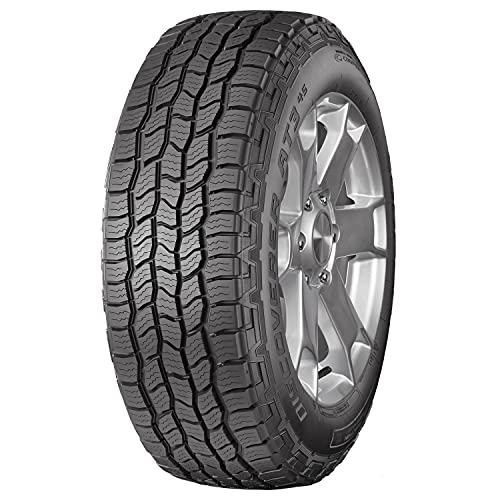
Winter grip is a defining strength of the Cooper Discoverer AT3 4S. Its severe-weather rating and snow-focused tread give your Tundra added traction when roads turn slick or snow-covered.
Cooper’s Adaptive-Traction Technology uses tread features that flex and grip across different surfaces. Snow Groove Technology adds extra edges for snow bite, while the tread pattern also maintains traction on wet pavement.
The AT3 4S carries the Three-Peak Mountain Snowflake symbol for severe snow service. Cooper also gives this tire a 65,000-mile treadwear warranty, an appealing match for drivers who put a lot of road miles on their truck.
On a Tundra, the tire balances everyday comfort with the extra grip you need on gravel and in winter weather. Cooper’s Whisper Grooves help reduce road noise by interrupting sound as air moves through the tread.
With its snow-rated traction and quieting tread design, the Discoverer AT3 4S works well across changing seasons. It gives you a road-friendly feel without giving up its all-terrain purpose.
Bottom line: The Discoverer AT3 4S fits a Tundra driven through winter weather, with enough all-terrain grip for gravel and dirt roads.
Pros
- Comfort Balance Technology reduces road noise
- DuraGen Technology reinforces the tire
- Severe-snow-service rating
- Up to 60,000 miles of treadwear coverage
Cons
- Limited traction in deep mud
- Less suited to demanding rocky trails
General Tire’s Comfort Balance Technology helps the Grabber APT stay quiet on paved roads. That road comfort makes the General Grabber APT a useful all-terrain option for a Tundra that spends plenty of time commuting or traveling on highways.
The tread balances road manners with traction on dirt and gravel. Its block pattern gives you added grip when you leave pavement, while the tread channels help move water away during wet drives.
General’s DuraGen Technology reinforces the tire for rough use and helps it resist damage from off-road driving. The Grabber APT also carries the Three-Peak Mountain Snowflake symbol, so it meets severe snow service standards.
General Tire offers up to 60,000 miles of limited treadwear coverage for the line. That warranty pairs with the tire’s long-wearing design for owners who want all-terrain capability without a harsh daily ride.
The quiet tread design and reinforced construction make the Grabber APT well suited to mixed driving. It can handle regular road miles while giving your Tundra extra traction on mild off-road routes.
Bottom line: Consider the Grabber APT if you want your Tundra to stay comfortable on the road while handling gravel, dirt, and winter conditions.
Factors to Consider When Choosing Tires for Toyota Tundra
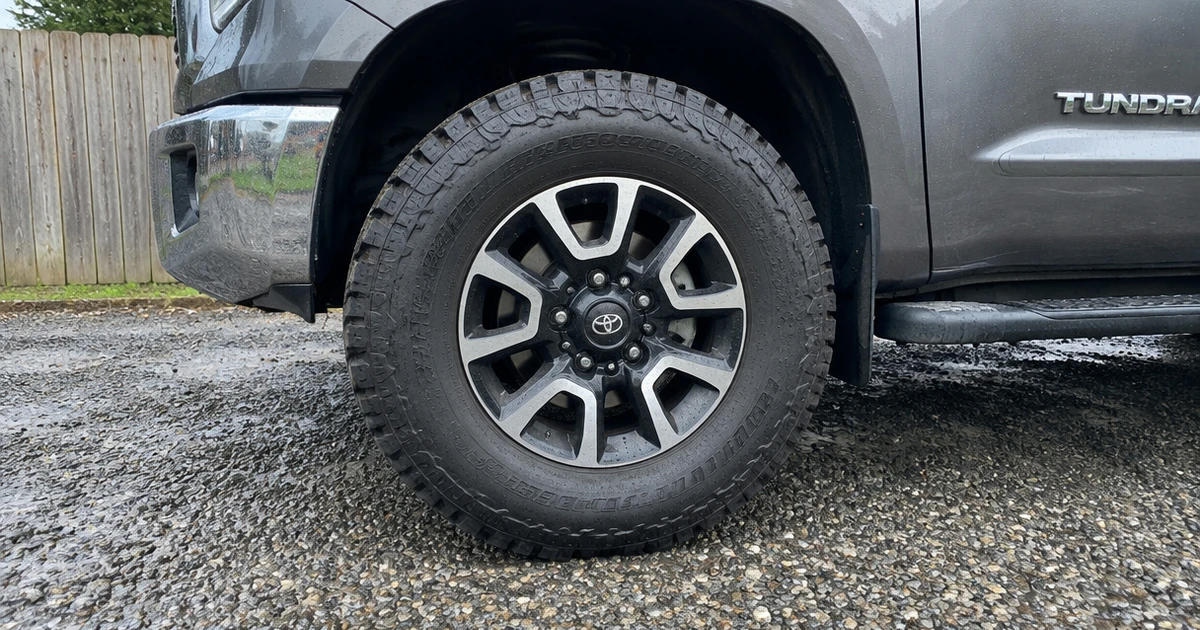
Before you compare tread patterns, check the tire information on your driver-side door placard and in the owner’s manual. Those details set a safe baseline for size, load, and pressure; your driving needs help narrow the tire style.
Match the Tread to Your Routes
Start with the surfaces you drive most, not the occasional trip. Highway tires suit daily pavement and often give you a quieter ride, stable handling, and longer tread life.
All-terrain tires trade some comfort for grip on gravel, dirt, and snow. Mud-terrain tread suits frequent muddy or rocky routes, but its large tread gaps can add noise and wear faster on pavement.
Use your weekly routine to choose:
- Mostly pavement: prioritize wet grip, comfort, and tread life.
- Regular gravel or forest roads: look for all-terrain tread with reinforced shoulders.
- Frequent mud or rock: choose open tread and inspect sidewall protection.
A balanced tread makes sense if pavement remains your main surface and trails come up only now and then.
Check Load and Towing Ratings
Load rating matters as much as tread, especially if you carry tools, passengers, or a camper. Read the tire’s load index and compare it with the original tire requirement; do not choose a lower rating.
The sidewall also lists a maximum load, but that figure applies only at a set inflation pressure. Follow the truck placard for cold pressure, not the sidewall maximum.
If you tow often, check the tire’s load capacity at the pressure you can use and keep the truck within its payload and tow limits. An LT tire may suit heavy work, but its firmer casing can make an empty truck ride harder. A higher load range does not raise the Tundra’s legal or mechanical ratings.
Choose the Right Size and Fit
Use the full size code on the driver-side door placard as your baseline. It covers tire width, sidewall height, construction, and wheel diameter. A replacement with the same code usually keeps fit and speed readings close to factory settings.
A larger diameter can add clearance, but it can also change gearing and speedometer readings. Wider tires need a suitable wheel width and may rub the body at full steering lock or suspension travel. Check the wheel’s load rating too.
| Choice | What changes | Best fit |
|---|---|---|
| Original size | Closest to factory fit and speed readings | Direct replacement |
| Small diameter increase | May add clearance and change gearing | After a fit check |
| Wider tire | Needs suitable wheel and body clearance | Approved wheel setup |
Ask a tire shop to confirm fit before you change size, especially if the truck has a lift or aftermarket wheels.
Match Tires to Your Climate
Your local weather should guide your tire choice. In rainy areas, look for tread channels that move water away and check wet-grip results from independent tests. For cold winters, tire rubber and tread design matter as much as the pattern you see at a glance.
Look for the three-peak mountain snowflake symbol if you often drive on severe snow; it shows that the tire meets a defined snow-traction standard. An M+S marking alone does not show the same severe-snow qualification. For frequent ice, a dedicated winter tire usually offers better braking and cornering grip than an all-season tire.
Balance Comfort, Noise, and Tread Life
Think about how the truck feels on your normal commute. Closely spaced tread blocks often make less noise on pavement than large, widely spaced lugs. A heavier LT tire can bring a firmer ride and more unsprung weight, which may affect comfort and fuel use, especially when you drive without a load.
Check the tire maker’s treadwear coverage, but treat it as a guide rather than a promise of how long your tires will last. Driving style, alignment, road surfaces, and tire pressure all affect wear. Rotate the tires on the schedule in your manual, check pressure when the tires are cold, and fix uneven wear early.
Frequently Asked Questions
How often should I rotate tires on a Toyota Tundra?
Follow the rotation schedule in your owner’s manual and the tire maker’s guidance. Many drivers rotate about every 5,000 to 7,500 miles, but towing, off-road use, and uneven wear can call for closer checks. Use a rotation pattern that suits the tires and your truck’s drivetrain.
Do I need LT tires for towing?
Not automatically. Choose a tire whose load capacity at the truck’s recommended cold pressure meets or exceeds the original requirement and suits your use. LT tires often have stronger construction for heavy work, but they can ride firmer and add weight. They do not raise the truck’s payload or tow rating.
What tire pressure should I use?
Use the cold pressure on the driver-side door placard, not the maximum printed on the tire sidewall. Check tires before driving or after they sit for several hours. If you change tire type or carry a load, do not guess at a new pressure; use the truck manual or ask a tire professional.
Can I use a larger tire than stock?
Sometimes, but check wheel width, suspension clearance, steering clearance, and the truck’s approved fitment before changing size. A larger diameter can affect speedometer readings, gearing, and braking feel. Keep the replacement’s load and speed ratings at or above the required levels, and ask a tire shop to confirm clearance.
Are all-terrain tires suitable for daily driving?
Yes, many all-terrain tires work well on pavement, especially designs with closely spaced tread blocks and a highway-focused layout. Expect some extra hum and rolling resistance compared with a road tire. If your truck spends most of its time on pavement, compare wet braking, ride comfort, and tread-life coverage before choosing.
Should I buy winter tires if I have all-terrain tires?
All-terrain tires can handle light snow, but winter tires usually offer better grip in sustained cold, packed snow, and ice. Their rubber stays more flexible in low temperatures, and their tread channels clear snow more effectively. If winter weather is severe or frequent, a dedicated winter set can improve control.